Buy placeholder.eu ?
We are moving the project
placeholder.eu .
Are you interested in purchasing the domain
placeholder.eu ?
domain@kv-gmbh.de · 0541-91531010
Buy placeholder.eu ?
What are alternative plants that require high humidity?
Some alternative plants that require high humidity include the peace lily, calathea, and ferns. These plants thrive in environments with high moisture levels and can help to create a lush, tropical feel in your home. Additionally, these plants can help to improve indoor air quality by removing toxins and adding oxygen to the air. If you live in a dry climate or have trouble maintaining high humidity levels in your home, these plants can be a great option to bring some greenery into your space. **
What are new plants in Plants vs. Zombies?
In Plants vs. Zombies, new plants are introduced as the player progresses through the game. These new plants have unique abilities and characteristics that help in defending against the advancing waves of zombies. Some examples of new plants include the Cherry Bomb, which explodes and damages all zombies in its radius, and the Melon-pult, which hurls melons at zombies for heavy damage. Players must strategically choose and place these new plants to effectively combat the different types of zombies they encounter. **

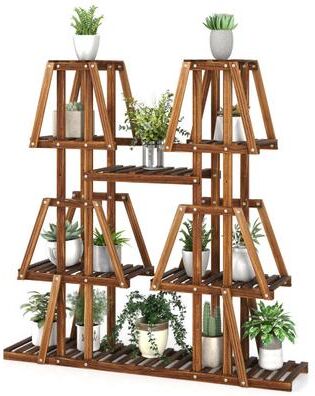
Similar search terms for Plants
Top-Angebote
Products related to Plants:
-
RHS Propagating Plants: How to Create New Plants For Free (New Edition) - Non Fiction - Hardback DKFill your garden with beautiful plants for next-to-nothing Do you long to grow your own plants from scratch? This complete guide from the experts at the RHS will teach you how to propagate every type of plant. If you're a thrifty gardener who wants more plants for free, then this book is perfect for you! From fruit trees and ornamental shrubs to exotic orchids and succulents, get all the info you need to propagate 1,500+ garden plants. Crammed with hundreds of step-by-step tutorials and clear advice, ranging from straightforward and simple to more in-depth and challenging. The rating system in the plant-by-plant A-Z dictionaries provides you with a quick reference to the relative ease or difficulty of each method of propagation. How long do your seedlings need to germinate? What makes a healthy stem cutting? How do you know what type of rootstock to use when grafting plants? Find out the answer to these questions and more in the most comprehensive guide to propagating plants ever published.12,99 £*Shipping: 2,99 £Secure redirect to the provider


-
What are cruciferous plants, mint family plants, and leguminous plants?
Cruciferous plants are a group of vegetables that belong to the Brassicaceae family, including broccoli, cauliflower, cabbage, and kale. Mint family plants, also known as Lamiaceae family, include herbs like mint, basil, rosemary, and oregano. Leguminous plants are members of the Fabaceae family and are known for their ability to fix nitrogen in the soil, including beans, peas, lentils, and peanuts. Each of these plant families includes a variety of edible plants that are commonly used in cooking and gardening. **
-
Why are many plants in the Arctic land plants?
Many plants in the Arctic are land plants because the extreme cold temperatures and frozen ground make it difficult for aquatic plants to survive. Land plants have adapted to the harsh Arctic conditions by developing specialized features such as small leaves, shallow root systems, and the ability to photosynthesize in low light conditions. These adaptations allow land plants to thrive in the Arctic environment, making them the dominant type of vegetation in the region. **
-
Which plants?
There are many different types of plants in the world, ranging from flowering plants like roses and tulips to trees like oak and pine. Other common plants include grasses, ferns, succulents, and vegetables like tomatoes and carrots. Each type of plant has unique characteristics and requirements for growth, making them diverse and interesting to study and cultivate. **
-
Why are many arctic plants long-day plants?
Many arctic plants are long-day plants because they have adapted to the long periods of daylight that occur during the Arctic summer. These plants have evolved to take advantage of the extended daylight hours for photosynthesis and growth. By being able to photosynthesize for longer periods of time, arctic plants can maximize their growth and reproductive potential during the short growing season in the Arctic. **

Why are many Arctic plants long-day plants?
Many Arctic plants are long-day plants because they have adapted to the long periods of daylight during the Arctic summer. These plants have evolved to flower and reproduce when daylight hours are extended, allowing them to take advantage of the optimal growing conditions and maximize their chances of successful reproduction. By being long-day plants, they are able to synchronize their growth and flowering with the seasonal changes in daylight, ensuring their survival in the harsh Arctic environment. **
What are early blooming plants and shade plants?
Early blooming plants are those that flower in the early spring, often before the trees have fully leafed out. These plants are important for providing early nectar and pollen for pollinators such as bees and butterflies. Shade plants are those that thrive in low light conditions, such as under the canopy of trees or on the north side of a building. These plants have adapted to receive less sunlight and often have larger leaves to capture as much light as possible. **
Top-Angebote
Products related to Plants:
-
What are alternative plants that require high humidity?
Some alternative plants that require high humidity include the peace lily, calathea, and ferns. These plants thrive in environments with high moisture levels and can help to create a lush, tropical feel in your home. Additionally, these plants can help to improve indoor air quality by removing toxins and adding oxygen to the air. If you live in a dry climate or have trouble maintaining high humidity levels in your home, these plants can be a great option to bring some greenery into your space. **
-
What are new plants in Plants vs. Zombies?
In Plants vs. Zombies, new plants are introduced as the player progresses through the game. These new plants have unique abilities and characteristics that help in defending against the advancing waves of zombies. Some examples of new plants include the Cherry Bomb, which explodes and damages all zombies in its radius, and the Melon-pult, which hurls melons at zombies for heavy damage. Players must strategically choose and place these new plants to effectively combat the different types of zombies they encounter. **
-
What are cruciferous plants, mint family plants, and leguminous plants?
Cruciferous plants are a group of vegetables that belong to the Brassicaceae family, including broccoli, cauliflower, cabbage, and kale. Mint family plants, also known as Lamiaceae family, include herbs like mint, basil, rosemary, and oregano. Leguminous plants are members of the Fabaceae family and are known for their ability to fix nitrogen in the soil, including beans, peas, lentils, and peanuts. Each of these plant families includes a variety of edible plants that are commonly used in cooking and gardening. **
-
Why are many plants in the Arctic land plants?
Many plants in the Arctic are land plants because the extreme cold temperatures and frozen ground make it difficult for aquatic plants to survive. Land plants have adapted to the harsh Arctic conditions by developing specialized features such as small leaves, shallow root systems, and the ability to photosynthesize in low light conditions. These adaptations allow land plants to thrive in the Arctic environment, making them the dominant type of vegetation in the region. **
Similar search terms for Plants
-
RHS Propagating Plants: How to Create New Plants For Free (New Edition) - Non Fiction - Hardback DKFill your garden with beautiful plants for next-to-nothing Do you long to grow your own plants from scratch? This complete guide from the experts at the RHS will teach you how to propagate every type of plant. If you're a thrifty gardener who wants more plants for free, then this book is perfect for you! From fruit trees and ornamental shrubs to exotic orchids and succulents, get all the info you need to propagate 1,500+ garden plants. Crammed with hundreds of step-by-step tutorials and clear advice, ranging from straightforward and simple to more in-depth and challenging. The rating system in the plant-by-plant A-Z dictionaries provides you with a quick reference to the relative ease or difficulty of each method of propagation. How long do your seedlings need to germinate? What makes a healthy stem cutting? How do you know what type of rootstock to use when grafting plants? Find out the answer to these questions and more in the most comprehensive guide to propagating plants ever published.12,99 £*Shipping: 2,99 £Secure redirect to the provider
-
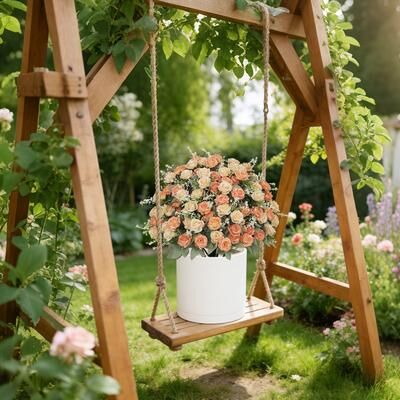
Lesly 24 in Artificial Rose Decoration Lifelike Faux Floral Plants"Specifications: Type: Modern Artificial flowers Base Shape: Round Artificial flowers Material: Plastic Base Included: Yes Base Material: Resin Color: Yellow / Pink / White Size of the Artificial flowers: 16"" L x 16"" W x 24"" H Everlasting Beauty with…"138,49 $*Shipping: 0,00 $Secure redirect to the provider
-
Which plants?
There are many different types of plants in the world, ranging from flowering plants like roses and tulips to trees like oak and pine. Other common plants include grasses, ferns, succulents, and vegetables like tomatoes and carrots. Each type of plant has unique characteristics and requirements for growth, making them diverse and interesting to study and cultivate. **
-
Why are many arctic plants long-day plants?
Many arctic plants are long-day plants because they have adapted to the long periods of daylight that occur during the Arctic summer. These plants have evolved to take advantage of the extended daylight hours for photosynthesis and growth. By being able to photosynthesize for longer periods of time, arctic plants can maximize their growth and reproductive potential during the short growing season in the Arctic. **
-
Why are many Arctic plants long-day plants?
Many Arctic plants are long-day plants because they have adapted to the long periods of daylight during the Arctic summer. These plants have evolved to flower and reproduce when daylight hours are extended, allowing them to take advantage of the optimal growing conditions and maximize their chances of successful reproduction. By being long-day plants, they are able to synchronize their growth and flowering with the seasonal changes in daylight, ensuring their survival in the harsh Arctic environment. **
-
What are early blooming plants and shade plants?
Early blooming plants are those that flower in the early spring, often before the trees have fully leafed out. These plants are important for providing early nectar and pollen for pollinators such as bees and butterflies. Shade plants are those that thrive in low light conditions, such as under the canopy of trees or on the north side of a building. These plants have adapted to receive less sunlight and often have larger leaves to capture as much light as possible. **
* All prices are inclusive of VAT and, if applicable, plus shipping costs. The offer information is based on the details provided by the respective shop and is updated through automated processes. Real-time updates do not occur, so deviations can occur in individual cases. ** Note: Parts of this content were created by AI.