Buy placeholder.eu ?
We are moving the project
placeholder.eu .
Are you interested in purchasing the domain
placeholder.eu ?
domain@kv-gmbh.de · 0541-91531010
Buy placeholder.eu ?
Which axis, the y-axis or the z-axis?
The y-axis is the vertical axis on a standard Cartesian coordinate system, while the z-axis is the vertical axis in a three-dimensional Cartesian coordinate system. The y-axis is typically used to represent the vertical position or value in a two-dimensional graph, while the z-axis is used to represent the vertical position or value in a three-dimensional graph. Therefore, the choice between the y-axis and the z-axis depends on whether you are working in a two-dimensional or three-dimensional space. **
What kind of adhesive hooks are available for outdoor use and for the ceiling?
For outdoor use, there are adhesive hooks specifically designed to withstand the elements, such as UV-resistant and waterproof hooks. These hooks are typically made of durable materials like plastic or metal to ensure they can withstand outdoor conditions. For the ceiling, there are adhesive hooks designed to hold heavier items, such as ceiling hooks with stronger adhesive and a larger hook size to support hanging objects. These hooks are often made with materials that can handle the weight and stress of being attached to the ceiling. **


Similar search terms for Axis-T91B63-Outdoor-Ceiling
Top-Angebote
Products related to Axis-T91B63-Outdoor-Ceiling:
-
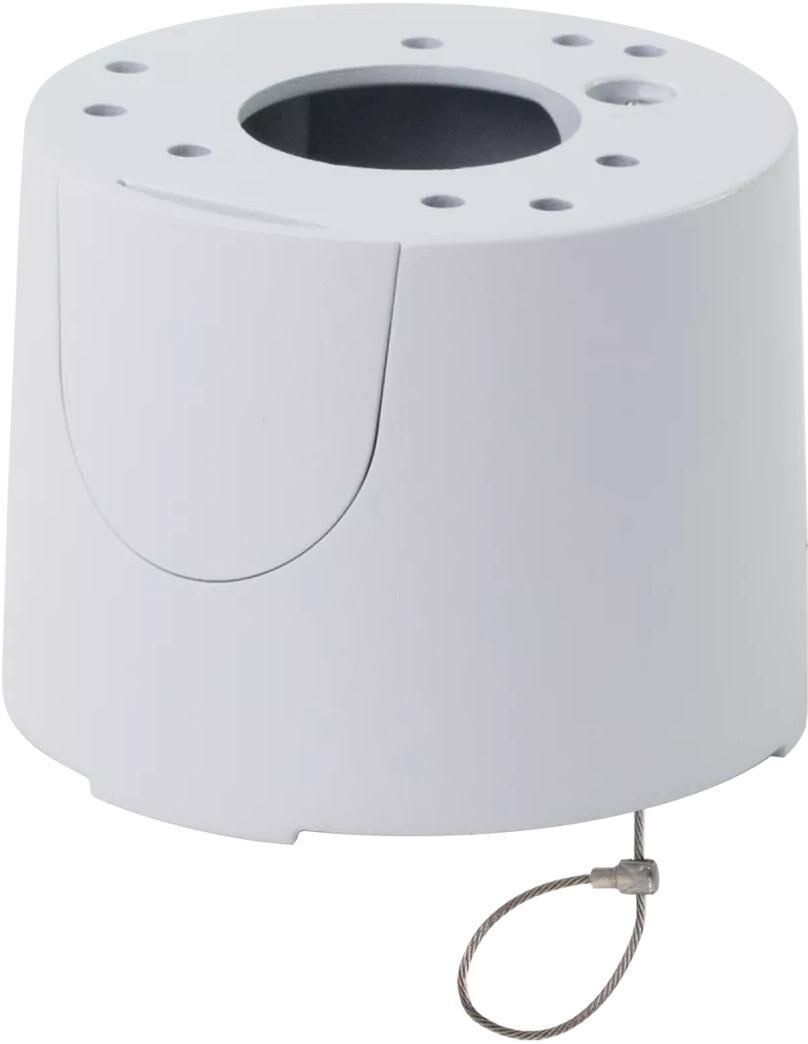
Axis T94A02F Ceiling Bracket for PTZ Cameras (P5624-E, P5635-E, Q37 Series), WhiteThe Axis T94A02F Ceiling Bracket is an aluminium bracket for hard ceilings that lets selected Axis PTZ cameras, including the P5624-E and P5635-E, and the AXIS Q37 Series be fitted with various Axis mounts. It is suitable for indoor and outdoor use and has a 3/4 inch conduit hole on the side. White finish, part 5801-601.87,49 £*Shipping: 0,00 £Secure redirect to the provider



-
What type of adhesive hooks are available for outdoor use and for the ceiling?
For outdoor use, there are adhesive hooks specifically designed to withstand weather conditions, such as UV-resistant and waterproof hooks. These hooks are usually made of durable materials like plastic or metal to ensure they can hold up in outdoor environments. For ceiling use, there are adhesive hooks with strong adhesive backing and a design that allows them to securely attach to the ceiling without damaging the surface. These hooks are often lightweight and come in various sizes and weight capacities to accommodate different hanging needs. **
-
What are the x-axis and y-axis?
The x-axis is the horizontal line on a graph that represents the independent variable, or the variable that is being manipulated or controlled. The y-axis is the vertical line on a graph that represents the dependent variable, or the variable that is being measured or observed in response to changes in the independent variable. Together, the x-axis and y-axis create a coordinate system that allows for the visualization and analysis of relationships between variables. **
-
How does the Earth's axis stand in relation to the sun?
The Earth's axis is tilted at an angle of approximately 23.5 degrees in relation to the sun. This tilt is what causes the changing seasons as the Earth orbits around the sun. During the summer solstice, the axis is tilted towards the sun, resulting in longer days and warmer temperatures in the Northern Hemisphere, while during the winter solstice, the axis is tilted away from the sun, leading to shorter days and colder temperatures. **
-
Is there no alternative to ceiling panels?
While ceiling panels are a popular choice for covering ceilings, there are alternative options available. Some alternatives to ceiling panels include ceiling tiles, drywall, wood planks, metal panels, and even decorative fabric or wallpaper. Each option has its own unique aesthetic and functional benefits, so it's important to consider the specific needs and style of the space when choosing an alternative to ceiling panels. **


What are the x-axis and the y-axis?
The x-axis is the horizontal line on a graph, representing the independent variable. It is typically used to display categories or numerical values. The y-axis is the vertical line on a graph, representing the dependent variable. It is used to display the corresponding values of the dependent variable based on the values of the independent variable. Together, the x-axis and y-axis create a coordinate system that allows for the visualization and analysis of relationships between variables. **
Do you have experience with renovating the ceiling, for example with ceiling tiles or an alternative?
As an AI, I don't have personal experience, but I can provide information on renovating ceilings. Renovating a ceiling with ceiling tiles or an alternative can be a DIY project or done by professionals. Ceiling tiles are a popular option for renovating ceilings as they come in a variety of materials and designs, making it easy to customize the look of a space. Alternatively, some people choose to use alternative materials such as wood planks or metal panels to create a unique ceiling design. Regardless of the method chosen, it's important to carefully plan and measure before starting a ceiling renovation project. **
Top-Angebote
Products related to Axis-T91B63-Outdoor-Ceiling:
-
Which axis, the y-axis or the z-axis?
The y-axis is the vertical axis on a standard Cartesian coordinate system, while the z-axis is the vertical axis in a three-dimensional Cartesian coordinate system. The y-axis is typically used to represent the vertical position or value in a two-dimensional graph, while the z-axis is used to represent the vertical position or value in a three-dimensional graph. Therefore, the choice between the y-axis and the z-axis depends on whether you are working in a two-dimensional or three-dimensional space. **
-
What kind of adhesive hooks are available for outdoor use and for the ceiling?
For outdoor use, there are adhesive hooks specifically designed to withstand the elements, such as UV-resistant and waterproof hooks. These hooks are typically made of durable materials like plastic or metal to ensure they can withstand outdoor conditions. For the ceiling, there are adhesive hooks designed to hold heavier items, such as ceiling hooks with stronger adhesive and a larger hook size to support hanging objects. These hooks are often made with materials that can handle the weight and stress of being attached to the ceiling. **
-
What type of adhesive hooks are available for outdoor use and for the ceiling?
For outdoor use, there are adhesive hooks specifically designed to withstand weather conditions, such as UV-resistant and waterproof hooks. These hooks are usually made of durable materials like plastic or metal to ensure they can hold up in outdoor environments. For ceiling use, there are adhesive hooks with strong adhesive backing and a design that allows them to securely attach to the ceiling without damaging the surface. These hooks are often lightweight and come in various sizes and weight capacities to accommodate different hanging needs. **
-
What are the x-axis and y-axis?
The x-axis is the horizontal line on a graph that represents the independent variable, or the variable that is being manipulated or controlled. The y-axis is the vertical line on a graph that represents the dependent variable, or the variable that is being measured or observed in response to changes in the independent variable. Together, the x-axis and y-axis create a coordinate system that allows for the visualization and analysis of relationships between variables. **
Similar search terms for Axis-T91B63-Outdoor-Ceiling
-
Axis T94A02F Ceiling Bracket for PTZ Cameras (P5624-E, P5635-E, Q37 Series), WhiteThe Axis T94A02F Ceiling Bracket is an aluminium bracket for hard ceilings that lets selected Axis PTZ cameras, including the P5624-E and P5635-E, and the AXIS Q37 Series be fitted with various Axis mounts. It is suitable for indoor and outdoor use and has a 3/4 inch conduit hole on the side. White finish, part 5801-601.87,49 £*Shipping: 0,00 £Secure redirect to the provider
-
How does the Earth's axis stand in relation to the sun?
The Earth's axis is tilted at an angle of approximately 23.5 degrees in relation to the sun. This tilt is what causes the changing seasons as the Earth orbits around the sun. During the summer solstice, the axis is tilted towards the sun, resulting in longer days and warmer temperatures in the Northern Hemisphere, while during the winter solstice, the axis is tilted away from the sun, leading to shorter days and colder temperatures. **
-
Is there no alternative to ceiling panels?
While ceiling panels are a popular choice for covering ceilings, there are alternative options available. Some alternatives to ceiling panels include ceiling tiles, drywall, wood planks, metal panels, and even decorative fabric or wallpaper. Each option has its own unique aesthetic and functional benefits, so it's important to consider the specific needs and style of the space when choosing an alternative to ceiling panels. **
-
What are the x-axis and the y-axis?
The x-axis is the horizontal line on a graph, representing the independent variable. It is typically used to display categories or numerical values. The y-axis is the vertical line on a graph, representing the dependent variable. It is used to display the corresponding values of the dependent variable based on the values of the independent variable. Together, the x-axis and y-axis create a coordinate system that allows for the visualization and analysis of relationships between variables. **
-
Do you have experience with renovating the ceiling, for example with ceiling tiles or an alternative?
As an AI, I don't have personal experience, but I can provide information on renovating ceilings. Renovating a ceiling with ceiling tiles or an alternative can be a DIY project or done by professionals. Ceiling tiles are a popular option for renovating ceilings as they come in a variety of materials and designs, making it easy to customize the look of a space. Alternatively, some people choose to use alternative materials such as wood planks or metal panels to create a unique ceiling design. Regardless of the method chosen, it's important to carefully plan and measure before starting a ceiling renovation project. **
* All prices are inclusive of VAT and, if applicable, plus shipping costs. The offer information is based on the details provided by the respective shop and is updated through automated processes. Real-time updates do not occur, so deviations can occur in individual cases. ** Note: Parts of this content were created by AI.