Buy placeholder.eu ?
We are moving the project
placeholder.eu .
Are you interested in purchasing the domain
placeholder.eu ?
domain@kv-gmbh.de · 0541-91531010
Buy placeholder.eu ?
What are the interactions between temporary dipoles?
Temporary dipoles are created when the electrons in a molecule are unevenly distributed, causing a temporary imbalance of charge. These temporary dipoles can induce similar dipoles in neighboring molecules, leading to a weak attractive force known as London dispersion forces. These interactions are responsible for the ability of nonpolar molecules to attract each other and are present in all molecules, regardless of their polarity. The strength of these interactions depends on the size of the temporary dipoles and the distance between the molecules. **
What is the difference between temporary and permanent dipoles?
Temporary dipoles are created when the distribution of electrons in a molecule is momentarily uneven, resulting in a temporary separation of charge. This occurs due to the constant movement of electrons within the molecule. On the other hand, permanent dipoles exist in molecules with a permanent separation of charge due to differences in electronegativity between atoms. This results in a permanent uneven distribution of electrons within the molecule. Temporary dipoles are generally weaker than permanent dipoles and are only present when the molecule is in a non-symmetrical environment. **


Similar search terms for Dipoles
Top-Angebote
Products related to Dipoles:
-
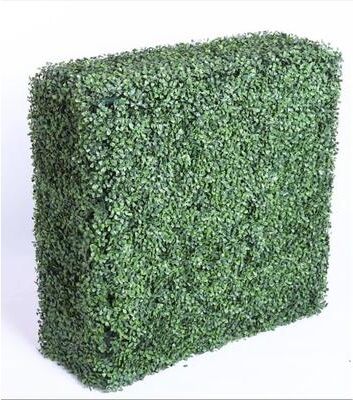
Xbrand Hedge Wall - Outdoor Artificial Privacy Plant - Great Gardenia and Ivy Substitute - DIY Hedge DividerTransform any space with this artificial boxwood hedge wall, crafted with high-quality, lifelike foliage to enhance privacy and décor.195,99 $*Shipping: 0,00 $Secure redirect to the provider
-
Toppik Black Fill Me In Hairline FillerA 3-in-1 hair filler to correct and perfect your hairline with precision. Toppik Fill Me In Hairline Filler is a long-lasting, durable formula designed to fill, build, and blend sparse areas with one mess-free, easy-to-use tool. Made with keratin...27,49 $*Shipping: 0,00 $Secure redirect to the provider
-
Nuie Arvan 2 Handle Deck Freestanding Tub Filler Bath Filler Chrome 11cmStunning contemporary curved design with luxury chrome finish Ceramic disc technology provides smooth operation and long life Co-ordinate your brassware with a matching basin tap and shower Manufactured from high-quality brass Nuie Finish: Chrome106,95 £*Shipping: 0,00 £Secure redirect to the provider
-
Nuie Binsey 2 Handle Deck Freestanding Tub Filler Bath Filler Chrome 11cmStunning contemporary curved design with luxury chrome finish Ceramic disc technology provides smooth operation and long life Co-ordinate your brassware with a matching basin tap and shower Manufactured from high-quality brass Nuie105,95 £*Shipping: 0,00 £Secure redirect to the provider


-
What are dipoles in chemistry?
In chemistry, a dipole refers to a molecule that has a separation of positive and negative charges. This occurs when there is an unequal distribution of electrons within the molecule, causing one end to be slightly positive and the other end to be slightly negative. This separation of charges creates a dipole moment, which can result in the molecule having polar characteristics. Dipoles are important in understanding the behavior of molecules in various chemical reactions and interactions. **
-
Are dipoles always polar?
No, dipoles are not always polar. A dipole is formed when there is a separation of positive and negative charges within a molecule. If the molecule is symmetrical and the charges are evenly distributed, the dipole moments cancel each other out, resulting in a nonpolar molecule. Only asymmetrical molecules with an uneven distribution of charges will have a net dipole moment, making them polar. **
-
Do ionic compounds form dipoles?
Ionic compounds do not form dipoles because they consist of ions held together by electrostatic forces of attraction. In an ionic compound, one atom donates electrons to another atom, resulting in the formation of positively and negatively charged ions. These ions are arranged in a crystal lattice structure, with no separation of charges within individual molecules to create dipoles. **
-
Are all polar bonds dipoles?
Yes, all polar bonds are dipoles. A polar bond is a type of covalent bond where there is an unequal sharing of electrons between two atoms, resulting in a partial positive and partial negative charge on the atoms involved. This charge separation creates a dipole moment, making the bond a dipole. **

Are all angular molecules dipoles?
No, not all angular molecules are dipoles. A molecule is a dipole if it has a separation of positive and negative charges, which occurs when the molecule is asymmetrical. Angular molecules, also known as bent molecules, can be dipoles if they have an uneven distribution of electrons, resulting in a net dipole moment. However, some angular molecules, such as carbon dioxide (CO2), are symmetrical and do not have a net dipole moment. **
Are they dipoles or not?
It depends on the specific molecules in question. If a molecule has a significant difference in electronegativity between its atoms and a non-symmetrical shape, it is likely to be a dipole. However, if a molecule has a symmetrical shape or the electronegativity difference between its atoms is negligible, it is likely to be non-polar and not a dipole. It is important to consider both the shape and the electronegativity of the atoms in a molecule to determine if it is a dipole or not. **
Top-Angebote
Products related to Dipoles:
-
CreateConfidence Temporary Firming Eye Cream Temporary Firming Eye CreamYour eyes are the most important part of your face. So they must look awesome and appealing. But what if you have puffiness under your eyes They won’t look attractive! Want to get rid of this issue No problem! Simply use this temporary firming eye...21,97 $*Shipping: 0,00 $Secure redirect to the provider
-
United Charger Replacement Stand For Vivoactive HR Smartwatch. Charger Replacement Stand For Vivoactive HR Smartwatch.Never let your Garmin Vivoactive HR run out of power when you need it most. This Garmin charger replacement offers a reliable, durable, and tanglefree solution to keep your smartwatch charged and ready for every workout or adventure. Designed for...39,97 $*Shipping: 0,00 $Secure redirect to the provider
-
Xbrand Hedge Wall - Outdoor Artificial Privacy Plant - Great Gardenia and Ivy Substitute - DIY Hedge DividerTransform any space with this artificial boxwood hedge wall, crafted with high-quality, lifelike foliage to enhance privacy and décor.195,99 $*Shipping: 0,00 $Secure redirect to the provider
-
Toppik Black Fill Me In Hairline FillerA 3-in-1 hair filler to correct and perfect your hairline with precision. Toppik Fill Me In Hairline Filler is a long-lasting, durable formula designed to fill, build, and blend sparse areas with one mess-free, easy-to-use tool. Made with keratin...27,49 $*Shipping: 0,00 $Secure redirect to the provider
-
What are the interactions between temporary dipoles?
Temporary dipoles are created when the electrons in a molecule are unevenly distributed, causing a temporary imbalance of charge. These temporary dipoles can induce similar dipoles in neighboring molecules, leading to a weak attractive force known as London dispersion forces. These interactions are responsible for the ability of nonpolar molecules to attract each other and are present in all molecules, regardless of their polarity. The strength of these interactions depends on the size of the temporary dipoles and the distance between the molecules. **
-
What is the difference between temporary and permanent dipoles?
Temporary dipoles are created when the distribution of electrons in a molecule is momentarily uneven, resulting in a temporary separation of charge. This occurs due to the constant movement of electrons within the molecule. On the other hand, permanent dipoles exist in molecules with a permanent separation of charge due to differences in electronegativity between atoms. This results in a permanent uneven distribution of electrons within the molecule. Temporary dipoles are generally weaker than permanent dipoles and are only present when the molecule is in a non-symmetrical environment. **
-
What are dipoles in chemistry?
In chemistry, a dipole refers to a molecule that has a separation of positive and negative charges. This occurs when there is an unequal distribution of electrons within the molecule, causing one end to be slightly positive and the other end to be slightly negative. This separation of charges creates a dipole moment, which can result in the molecule having polar characteristics. Dipoles are important in understanding the behavior of molecules in various chemical reactions and interactions. **
-
Are dipoles always polar?
No, dipoles are not always polar. A dipole is formed when there is a separation of positive and negative charges within a molecule. If the molecule is symmetrical and the charges are evenly distributed, the dipole moments cancel each other out, resulting in a nonpolar molecule. Only asymmetrical molecules with an uneven distribution of charges will have a net dipole moment, making them polar. **
Similar search terms for Dipoles
-
Nuie Arvan 2 Handle Deck Freestanding Tub Filler Bath Filler Chrome 11cmStunning contemporary curved design with luxury chrome finish Ceramic disc technology provides smooth operation and long life Co-ordinate your brassware with a matching basin tap and shower Manufactured from high-quality brass Nuie Finish: Chrome106,95 £*Shipping: 0,00 £Secure redirect to the provider
-
Nuie Binsey 2 Handle Deck Freestanding Tub Filler Bath Filler Chrome 11cmStunning contemporary curved design with luxury chrome finish Ceramic disc technology provides smooth operation and long life Co-ordinate your brassware with a matching basin tap and shower Manufactured from high-quality brass Nuie105,95 £*Shipping: 0,00 £Secure redirect to the provider
-
Uplifted Finds Veneer Snap on Teeth Kit Fake Temporary Tooth Whitening Replacement White Snap Repair Fitting Kit 1Regain your confident smile instantly with this Veneer Snapon Teeth Kit. This temporary tooth whitening replacement is designed for quick and easy snaprepair, providing a naturallooking white finish to cover missing or discolored teeth. Perfect for...44,97 $*Shipping: 0,00 $Secure redirect to the provider
-
Xbrand Hedge Wall - Outdoor Artificial Privacy Plant - Great Gardenia and Ivy Substitute - DIY Hedge DividerTransform any space with this artificial boxwood hedge wall, crafted with high-quality, lifelike foliage to enhance privacy and décor.238,91 $*Shipping: 0,00 $Secure redirect to the provider
-
Do ionic compounds form dipoles?
Ionic compounds do not form dipoles because they consist of ions held together by electrostatic forces of attraction. In an ionic compound, one atom donates electrons to another atom, resulting in the formation of positively and negatively charged ions. These ions are arranged in a crystal lattice structure, with no separation of charges within individual molecules to create dipoles. **
-
Are all polar bonds dipoles?
Yes, all polar bonds are dipoles. A polar bond is a type of covalent bond where there is an unequal sharing of electrons between two atoms, resulting in a partial positive and partial negative charge on the atoms involved. This charge separation creates a dipole moment, making the bond a dipole. **
-
Are all angular molecules dipoles?
No, not all angular molecules are dipoles. A molecule is a dipole if it has a separation of positive and negative charges, which occurs when the molecule is asymmetrical. Angular molecules, also known as bent molecules, can be dipoles if they have an uneven distribution of electrons, resulting in a net dipole moment. However, some angular molecules, such as carbon dioxide (CO2), are symmetrical and do not have a net dipole moment. **
-
Are they dipoles or not?
It depends on the specific molecules in question. If a molecule has a significant difference in electronegativity between its atoms and a non-symmetrical shape, it is likely to be a dipole. However, if a molecule has a symmetrical shape or the electronegativity difference between its atoms is negligible, it is likely to be non-polar and not a dipole. It is important to consider both the shape and the electronegativity of the atoms in a molecule to determine if it is a dipole or not. **
* All prices are inclusive of VAT and, if applicable, plus shipping costs. The offer information is based on the details provided by the respective shop and is updated through automated processes. Real-time updates do not occur, so deviations can occur in individual cases. ** Note: Parts of this content were created by AI.