Buy placeholder.eu ?
We are moving the project
placeholder.eu .
Are you interested in purchasing the domain
placeholder.eu ?
domain@kv-gmbh.de · 0541-91531010
Buy placeholder.eu ?
Search for a high-impedance evaporator.
A high-impedance evaporator is a type of evaporator that is designed to have a high resistance to the flow of electricity. This can be useful in certain applications where precise control over the evaporation process is needed. When searching for a high-impedance evaporator, it is important to consider the specific requirements of your application, such as the desired evaporation rate and the type of material being evaporated. Additionally, it may be helpful to consult with a supplier or manufacturer who specializes in evaporator technology to find the best option for your needs. **
What happens in the evaporator and condenser in the refrigerator?
In the evaporator, the refrigerant absorbs heat from the inside of the refrigerator, causing it to evaporate into a gas. This process cools down the interior of the refrigerator. The gas then travels to the condenser, where it releases the heat it absorbed from the refrigerator and condenses back into a liquid. This releases the heat outside the refrigerator, allowing the cycle to start again. This continuous process of evaporation and condensation is what allows the refrigerator to maintain a cool temperature inside while expelling heat outside. **


Similar search terms for Evaporator
Top-Angebote
Products related to Evaporator:
-
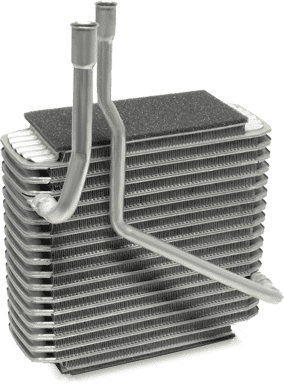
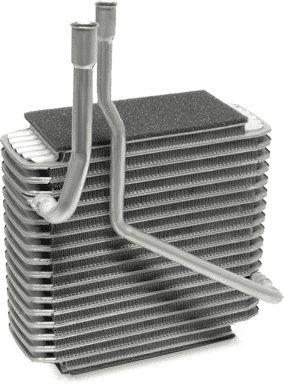
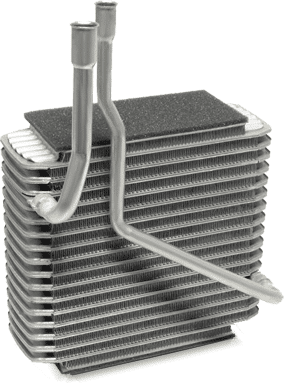
DENSO DEV05002 Air conditioning evaporatorCore Length [mm]: 293; Core Width [mm]: 185; Core Depth [mm]: 50; for OE number: 64119179802; Refrigerant: R134a; Weight [g]: 1148; Gross Weight [g]: 2550; alternative item: -; Left-/right-hand drive vehicles: for left-hand drive vehicles122,99 £*Shipping: 8,45 £Secure redirect to the provider
-
NRF 36247 Air conditioning evaporatorMaterial: Aluminium; Core Length [mm]: 310; Core Width [mm]: 200; Core Depth [mm]: 65; Supplementary Article / Supplementary Info Info 2: with seal ring; Left-/right-hand drive vehicles: for left-hand drive vehicles; Vehicle type: Civic56,49 £*Shipping: 8,45 £Secure redirect to the provider

-
Does the air cooler evaporator consume a lot?
The air cooler evaporator does consume some energy, but it is generally considered to be more energy-efficient than traditional air conditioning systems. The evaporative cooling process relies on the evaporation of water to cool the air, which requires less electricity than the energy-intensive compressors used in conventional air conditioners. Additionally, evaporative coolers do not require the use of refrigerants, which can be harmful to the environment. Overall, while the air cooler evaporator does consume some energy, it is generally considered to be a more efficient and environmentally friendly cooling option. **
-
Do I need to change the cotton in evaporator heads?
Yes, it is recommended to change the cotton in evaporator heads regularly to ensure optimal performance and flavor. Over time, the cotton can become clogged with residue from e-liquids, affecting the taste and vapor production. By changing the cotton regularly, you can maintain a clean and efficient vaping experience. **
-
How are the air bubbles formed in the evaporator head?
Air bubbles are formed in the evaporator head due to the difference in pressure between the liquid refrigerant and the evaporator. As the liquid refrigerant enters the evaporator, it undergoes a phase change from liquid to gas, causing it to expand rapidly. This expansion creates a low-pressure area within the evaporator, which can cause air from the surrounding environment to be drawn in, forming air bubbles in the refrigerant. These air bubbles can reduce the efficiency of the evaporator by insulating the refrigerant and inhibiting heat transfer. **
-
How are the air bubbles created in the evaporator head?
Air bubbles are created in the evaporator head through a process called cavitation. This occurs when the pressure inside the evaporator head drops below the vapor pressure of the liquid refrigerant, causing it to vaporize and form bubbles. These bubbles then travel along with the refrigerant through the system, eventually reaching the compressor where they are compressed back into a liquid state. **


What does an evaporator do in a thermal power plant?
In a thermal power plant, an evaporator is a heat exchanger that is used to convert water into steam by absorbing heat from the hot flue gases produced by the combustion of fuel in the boiler. The evaporator is a crucial component in the power plant as it helps in increasing the efficiency of the power generation process by utilizing the waste heat to convert water into high-pressure steam. This steam is then used to drive the turbines, which in turn generate electricity. Overall, the evaporator plays a key role in the energy conversion process in a thermal power plant. **
How can one remove water from the evaporator head?
To remove water from the evaporator head, you can use a wet/dry vacuum to suck out the water. Make sure to turn off the power to the unit before attempting to remove the water. You can also use a towel or sponge to soak up the water, being careful not to damage any components. Additionally, you can use a small pump to remove the water from the evaporator head. Always follow the manufacturer's instructions and safety guidelines when performing maintenance on your HVAC system. **
Top-Angebote
Products related to Evaporator:
-
Search for a high-impedance evaporator.
A high-impedance evaporator is a type of evaporator that is designed to have a high resistance to the flow of electricity. This can be useful in certain applications where precise control over the evaporation process is needed. When searching for a high-impedance evaporator, it is important to consider the specific requirements of your application, such as the desired evaporation rate and the type of material being evaporated. Additionally, it may be helpful to consult with a supplier or manufacturer who specializes in evaporator technology to find the best option for your needs. **
-
What happens in the evaporator and condenser in the refrigerator?
In the evaporator, the refrigerant absorbs heat from the inside of the refrigerator, causing it to evaporate into a gas. This process cools down the interior of the refrigerator. The gas then travels to the condenser, where it releases the heat it absorbed from the refrigerator and condenses back into a liquid. This releases the heat outside the refrigerator, allowing the cycle to start again. This continuous process of evaporation and condensation is what allows the refrigerator to maintain a cool temperature inside while expelling heat outside. **
-
Does the air cooler evaporator consume a lot?
The air cooler evaporator does consume some energy, but it is generally considered to be more energy-efficient than traditional air conditioning systems. The evaporative cooling process relies on the evaporation of water to cool the air, which requires less electricity than the energy-intensive compressors used in conventional air conditioners. Additionally, evaporative coolers do not require the use of refrigerants, which can be harmful to the environment. Overall, while the air cooler evaporator does consume some energy, it is generally considered to be a more efficient and environmentally friendly cooling option. **
-
Do I need to change the cotton in evaporator heads?
Yes, it is recommended to change the cotton in evaporator heads regularly to ensure optimal performance and flavor. Over time, the cotton can become clogged with residue from e-liquids, affecting the taste and vapor production. By changing the cotton regularly, you can maintain a clean and efficient vaping experience. **
Similar search terms for Evaporator
-
DENSO DEV05002 Air conditioning evaporatorCore Length [mm]: 293; Core Width [mm]: 185; Core Depth [mm]: 50; for OE number: 64119179802; Refrigerant: R134a; Weight [g]: 1148; Gross Weight [g]: 2550; alternative item: -; Left-/right-hand drive vehicles: for left-hand drive vehicles122,99 £*Shipping: 8,45 £Secure redirect to the provider
-
NRF 36247 Air conditioning evaporatorMaterial: Aluminium; Core Length [mm]: 310; Core Width [mm]: 200; Core Depth [mm]: 65; Supplementary Article / Supplementary Info Info 2: with seal ring; Left-/right-hand drive vehicles: for left-hand drive vehicles; Vehicle type: Civic56,49 £*Shipping: 8,45 £Secure redirect to the provider
-
DELPHI TSP0525197 Air conditioning evaporatorCore Depth [mm]: 296; Core Length [mm]: 195; Core Width [mm]: 48; Thread Size 1: 16; Compressor ID: PAD; Thread Size 2: 12; Supplementary Article / Supplementary Info Info 2: without expansion valve; Manufacturer Restriction: Valeo; Construction Year from: 09/2004, 10/2007, 03/200777,49 £*Shipping: 8,45 £Secure redirect to the provider
-
DELPHI TSP0525202 Air conditioning evaporatorCore Depth [mm]: 240; Core Length [mm]: 205; Core Width [mm]: 60; Thread Size 1: 14.4; Thread Size 2: 11.7; Compressor ID: PAD; Supplementary Article / Supplementary Info Info 2: without expansion valve; Construction Year to: 11/200644,99 £*Shipping: 8,45 £Secure redirect to the provider
-
How are the air bubbles formed in the evaporator head?
Air bubbles are formed in the evaporator head due to the difference in pressure between the liquid refrigerant and the evaporator. As the liquid refrigerant enters the evaporator, it undergoes a phase change from liquid to gas, causing it to expand rapidly. This expansion creates a low-pressure area within the evaporator, which can cause air from the surrounding environment to be drawn in, forming air bubbles in the refrigerant. These air bubbles can reduce the efficiency of the evaporator by insulating the refrigerant and inhibiting heat transfer. **
-
How are the air bubbles created in the evaporator head?
Air bubbles are created in the evaporator head through a process called cavitation. This occurs when the pressure inside the evaporator head drops below the vapor pressure of the liquid refrigerant, causing it to vaporize and form bubbles. These bubbles then travel along with the refrigerant through the system, eventually reaching the compressor where they are compressed back into a liquid state. **
-
What does an evaporator do in a thermal power plant?
In a thermal power plant, an evaporator is a heat exchanger that is used to convert water into steam by absorbing heat from the hot flue gases produced by the combustion of fuel in the boiler. The evaporator is a crucial component in the power plant as it helps in increasing the efficiency of the power generation process by utilizing the waste heat to convert water into high-pressure steam. This steam is then used to drive the turbines, which in turn generate electricity. Overall, the evaporator plays a key role in the energy conversion process in a thermal power plant. **
-
How can one remove water from the evaporator head?
To remove water from the evaporator head, you can use a wet/dry vacuum to suck out the water. Make sure to turn off the power to the unit before attempting to remove the water. You can also use a towel or sponge to soak up the water, being careful not to damage any components. Additionally, you can use a small pump to remove the water from the evaporator head. Always follow the manufacturer's instructions and safety guidelines when performing maintenance on your HVAC system. **
* All prices are inclusive of VAT and, if applicable, plus shipping costs. The offer information is based on the details provided by the respective shop and is updated through automated processes. Real-time updates do not occur, so deviations can occur in individual cases. ** Note: Parts of this content were created by AI.