Buy placeholder.eu ?
We are moving the project
placeholder.eu .
Are you interested in purchasing the domain
placeholder.eu ?
domain@kv-gmbh.de · 0541-91531010
Buy placeholder.eu ?
What is the difference between Konjunktiv 1 and Konjunktiv 2?
Konjunktiv 1 is used to express indirect speech, polite requests, or to report what someone else has said. It is formed by adding an ending to the stem of the verb. Konjunktiv 2, on the other hand, is used to express hypothetical situations, wishes, or desires. It is formed by adding an umlaut to the verb stem and specific endings. Overall, Konjunktiv 1 is more commonly used in written and formal language, while Konjunktiv 2 is used for more speculative or imaginary situations. **
When do I use the Konjunktiv 2 replacement form?
The Konjunktiv 2 replacement form is used when the Konjunktiv 2 form of a verb is difficult to form or not commonly used in spoken German. This can occur in informal speech, when using modal verbs, or when expressing hypothetical or unreal situations. The replacement form is often used in place of the Konjunktiv 2 form to simplify the sentence and make it easier to understand in everyday conversation. **


Similar search terms for Konjunktiv
Top-Angebote
Products related to Konjunktiv:
-
Fillerina Double Filler Booster Face Mask Filler EffectA facial mask for wrinkles and signs of ageing. Double Filler Booster Face Mask delivers instant plumping, firming, and rejuvenation with 12 hyaluronic acids and the powerful Neo-MITO Complex. Immediate filling and skin restructuring. Targets the entire facial contour. Infused with 12 hyaluronic acids + 2 precursors.15,86 £*Shipping: 7,11 £Secure redirect to the provider
-
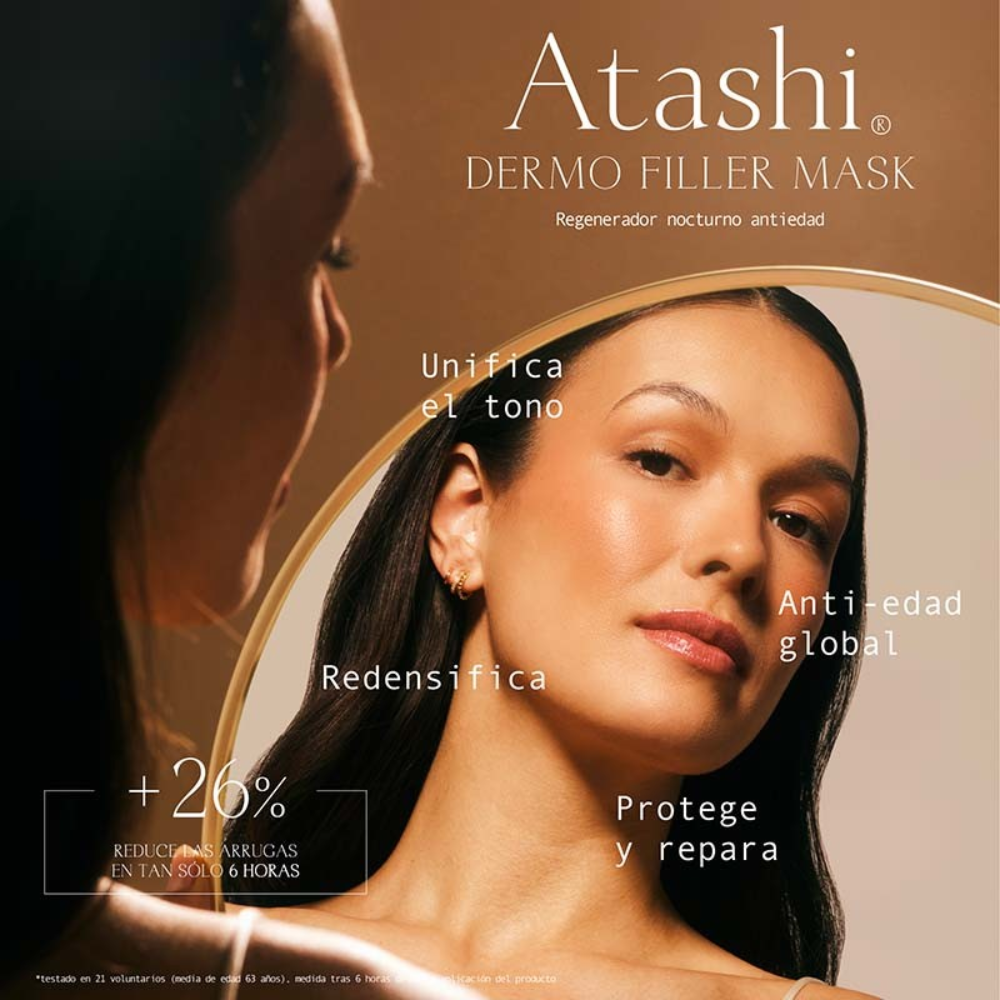
Atashi Supernight Dermo Filler Mask Filler Effect 50mLA night cream for wrinkles and signs of ageing. Transform your skin overnight with a powerful blend of active ingredients that rejuvenate and protect. Fills wrinkles and lines from within overnight. Improves density, hydration, and even skin tone. Hypoallergenic night cream suitable for sensitive skin.33,08 £*Shipping: 5,34 £Secure redirect to the provider
-
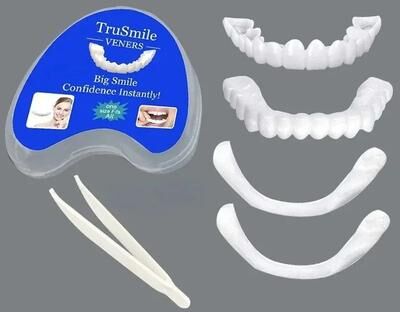
Uplifted Finds Veneer Snap on Teeth Kit Fake Temporary Tooth Whitening Replacement White Snap Repair Fitting Kit 3Regain your confident smile instantly with this Veneer Snapon Teeth Kit. This temporary tooth whitening replacement is designed for quick and easy snaprepair, providing a naturallooking white finish to cover missing or discolored teeth. Perfect for...39,97 $*Shipping: 0,00 $Secure redirect to the provider
-
Toppik Black Fill Me In Hairline FillerA 3-in-1 hair filler to correct and perfect your hairline with precision. Toppik Fill Me In Hairline Filler is a long-lasting, durable formula designed to fill, build, and blend sparse areas with one mess-free, easy-to-use tool. Made with keratin...27,49 $*Shipping: 0,00 $Secure redirect to the provider


-
Is the Konjunktiv I formed like this?
Yes, the Konjunktiv I is formed by using the stem of the verb and adding specific endings for each person. For weak verbs, the endings are -e, -est, -e, -en, -et, -en for the singular and plural forms. For strong verbs, the endings are -e, -est, -e, -en, -et, -en for the singular forms and -en, -et, -en, -en, -et, -en for the plural forms. Additionally, there are irregular verbs that have their own unique forms in the Konjunktiv I. **
-
Are Konjunktiv 1 and Präsens the same?
No, Konjunktiv 1 and Präsens are not the same. Präsens is the present tense in German, used to describe actions or events that are happening in the present. Konjunktiv 1, on the other hand, is a mood used to express wishes, possibilities, or uncertain statements. While both are conjugated forms of verbs, they serve different grammatical functions in German sentences. **
-
Are Konjunktiv 1 and present tense the same?
Konjunktiv 1 and present tense are similar but not the same. Konjunktiv 1 is a mood used in German to express indirect speech, wishes, or hypothetical situations, while present tense is a grammatical tense used to describe actions happening in the current moment. In some cases, Konjunktiv 1 can be formed using the present tense of verbs, but they serve different purposes in the German language. **
-
What is the difference between Konjunktiv and Irrealis?
Konjunktiv is a mood used in German to express doubt, uncertainty, or hypothetical situations. It is used to convey indirect speech or polite requests. On the other hand, Irrealis is a linguistic mood used to express situations that are contrary to fact or hypothetical. While both Konjunktiv and Irrealis are used to talk about unreal or hypothetical situations, Konjunktiv is more commonly used in German, while Irrealis is a broader term that can be found in other languages as well. **


Does the Konjunktiv 2 use "wärest" or "wärst"?
The Konjunktiv 2 uses "wärest" in standard German. However, in some dialects and informal speech, "wärst" may be used instead. **
What is the difference between Konjunktiv 1 and Passiv?
Konjunktiv 1 is a verb form used to express indirect speech, wishes, or hypothetical situations. It is formed by adding specific endings to the stem of the verb. Passiv, on the other hand, is a grammatical voice used to emphasize the action rather than the subject performing the action. It is formed by conjugating the verb "werden" in the appropriate tense and adding the past participle of the main verb. While Konjunktiv 1 is used to convey different moods and attitudes, Passiv is used to shift the focus of the sentence from the subject to the action itself. **
Top-Angebote
Products related to Konjunktiv:
-
CreateConfidence Temporary Firming Eye Cream Temporary Firming Eye CreamYour eyes are the most important part of your face. So they must look awesome and appealing. But what if you have puffiness under your eyes They won’t look attractive! Want to get rid of this issue No problem! Simply use this temporary firming eye...21,97 $*Shipping: 0,00 $Secure redirect to the provider
-
Xbrand Hedge Wall - Outdoor Artificial Privacy Plant - Great Gardenia and Ivy Substitute - DIY Hedge DividerTransform any space with this artificial boxwood hedge wall, crafted with high-quality, lifelike foliage to enhance privacy and décor.195,99 $*Shipping: 0,00 $Secure redirect to the provider
-
Fillerina Double Filler Booster Face Mask Filler EffectA facial mask for wrinkles and signs of ageing. Double Filler Booster Face Mask delivers instant plumping, firming, and rejuvenation with 12 hyaluronic acids and the powerful Neo-MITO Complex. Immediate filling and skin restructuring. Targets the entire facial contour. Infused with 12 hyaluronic acids + 2 precursors.15,86 £*Shipping: 7,11 £Secure redirect to the provider
-
Atashi Supernight Dermo Filler Mask Filler Effect 50mLA night cream for wrinkles and signs of ageing. Transform your skin overnight with a powerful blend of active ingredients that rejuvenate and protect. Fills wrinkles and lines from within overnight. Improves density, hydration, and even skin tone. Hypoallergenic night cream suitable for sensitive skin.33,08 £*Shipping: 5,34 £Secure redirect to the provider
-
What is the difference between Konjunktiv 1 and Konjunktiv 2?
Konjunktiv 1 is used to express indirect speech, polite requests, or to report what someone else has said. It is formed by adding an ending to the stem of the verb. Konjunktiv 2, on the other hand, is used to express hypothetical situations, wishes, or desires. It is formed by adding an umlaut to the verb stem and specific endings. Overall, Konjunktiv 1 is more commonly used in written and formal language, while Konjunktiv 2 is used for more speculative or imaginary situations. **
-
When do I use the Konjunktiv 2 replacement form?
The Konjunktiv 2 replacement form is used when the Konjunktiv 2 form of a verb is difficult to form or not commonly used in spoken German. This can occur in informal speech, when using modal verbs, or when expressing hypothetical or unreal situations. The replacement form is often used in place of the Konjunktiv 2 form to simplify the sentence and make it easier to understand in everyday conversation. **
-
Is the Konjunktiv I formed like this?
Yes, the Konjunktiv I is formed by using the stem of the verb and adding specific endings for each person. For weak verbs, the endings are -e, -est, -e, -en, -et, -en for the singular and plural forms. For strong verbs, the endings are -e, -est, -e, -en, -et, -en for the singular forms and -en, -et, -en, -en, -et, -en for the plural forms. Additionally, there are irregular verbs that have their own unique forms in the Konjunktiv I. **
-
Are Konjunktiv 1 and Präsens the same?
No, Konjunktiv 1 and Präsens are not the same. Präsens is the present tense in German, used to describe actions or events that are happening in the present. Konjunktiv 1, on the other hand, is a mood used to express wishes, possibilities, or uncertain statements. While both are conjugated forms of verbs, they serve different grammatical functions in German sentences. **
Similar search terms for Konjunktiv
-
Uplifted Finds Veneer Snap on Teeth Kit Fake Temporary Tooth Whitening Replacement White Snap Repair Fitting Kit 3Regain your confident smile instantly with this Veneer Snapon Teeth Kit. This temporary tooth whitening replacement is designed for quick and easy snaprepair, providing a naturallooking white finish to cover missing or discolored teeth. Perfect for...39,97 $*Shipping: 0,00 $Secure redirect to the provider
-
Toppik Black Fill Me In Hairline FillerA 3-in-1 hair filler to correct and perfect your hairline with precision. Toppik Fill Me In Hairline Filler is a long-lasting, durable formula designed to fill, build, and blend sparse areas with one mess-free, easy-to-use tool. Made with keratin...27,49 $*Shipping: 0,00 $Secure redirect to the provider
-
Xbrand Hedge Wall - Outdoor Artificial Privacy Plant - Great Gardenia and Ivy Substitute - DIY Hedge DividerTransform any space with this artificial boxwood hedge wall, crafted with high-quality, lifelike foliage to enhance privacy and décor.238,91 $*Shipping: 0,00 $Secure redirect to the provider
-
Are Konjunktiv 1 and present tense the same?
Konjunktiv 1 and present tense are similar but not the same. Konjunktiv 1 is a mood used in German to express indirect speech, wishes, or hypothetical situations, while present tense is a grammatical tense used to describe actions happening in the current moment. In some cases, Konjunktiv 1 can be formed using the present tense of verbs, but they serve different purposes in the German language. **
-
What is the difference between Konjunktiv and Irrealis?
Konjunktiv is a mood used in German to express doubt, uncertainty, or hypothetical situations. It is used to convey indirect speech or polite requests. On the other hand, Irrealis is a linguistic mood used to express situations that are contrary to fact or hypothetical. While both Konjunktiv and Irrealis are used to talk about unreal or hypothetical situations, Konjunktiv is more commonly used in German, while Irrealis is a broader term that can be found in other languages as well. **
-
Does the Konjunktiv 2 use "wärest" or "wärst"?
The Konjunktiv 2 uses "wärest" in standard German. However, in some dialects and informal speech, "wärst" may be used instead. **
-
What is the difference between Konjunktiv 1 and Passiv?
Konjunktiv 1 is a verb form used to express indirect speech, wishes, or hypothetical situations. It is formed by adding specific endings to the stem of the verb. Passiv, on the other hand, is a grammatical voice used to emphasize the action rather than the subject performing the action. It is formed by conjugating the verb "werden" in the appropriate tense and adding the past participle of the main verb. While Konjunktiv 1 is used to convey different moods and attitudes, Passiv is used to shift the focus of the sentence from the subject to the action itself. **
* All prices are inclusive of VAT and, if applicable, plus shipping costs. The offer information is based on the details provided by the respective shop and is updated through automated processes. Real-time updates do not occur, so deviations can occur in individual cases. ** Note: Parts of this content were created by AI.