Buy placeholder.eu ?
We are moving the project
placeholder.eu .
Are you interested in purchasing the domain
placeholder.eu ?
domain@kv-gmbh.de · 0541-91531010
Buy placeholder.eu ?
What is the replication origin in DNA replication?
The replication origin is a specific sequence of DNA where the process of DNA replication begins. It is the site where the two strands of the DNA double helix are separated and the replication machinery is assembled. The replication origin is recognized by specific proteins that initiate the unwinding of the DNA and the synthesis of new DNA strands. Each DNA molecule has multiple replication origins to ensure that the entire genome is replicated efficiently. **
What is semiconservative replication?
Semiconservative replication is the process by which DNA is copied during cell division. In this process, the two strands of the DNA double helix separate, and each strand serves as a template for the synthesis of a new complementary strand. As a result, each new DNA molecule contains one original strand and one newly synthesized strand. This ensures that the genetic information is preserved and passed on to the next generation of cells. This process was first proposed by James Watson and Francis Crick in 1953. **

Similar search terms for Replication
Top-Angebote
Products related to Replication:
-
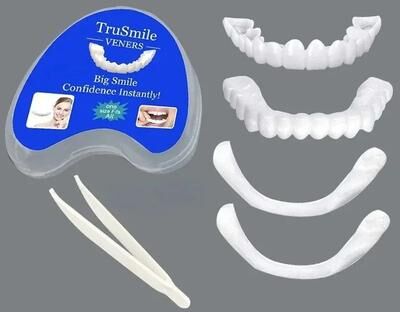
Uplifted Finds Veneer Snap on Teeth Kit Fake Temporary Tooth Whitening Replacement White Snap Repair Fitting Kit 3Regain your confident smile instantly with this Veneer Snapon Teeth Kit. This temporary tooth whitening replacement is designed for quick and easy snaprepair, providing a naturallooking white finish to cover missing or discolored teeth. Perfect for...39,97 $*Shipping: 0,00 $Secure redirect to the provider
-
Xbrand Hedge Wall - Outdoor Artificial Privacy Plant - Great Gardenia and Ivy Substitute - DIY Hedge DividerTransform any space with this artificial boxwood hedge wall, crafted with high-quality, lifelike foliage to enhance privacy and décor.195,99 $*Shipping: 0,00 $Secure redirect to the provider
-
NOBEA Nail Care Ridge Filler Nail Polish ridge filler 6 mlNOBEA Nail Care Ridge Filler Nail Polish, 6 ml, Nails for Women, A gorgeous manicure as though you’d just left the nail salon? The NOBEA Nail Care Ridge Filler Nail Polish nail polish lets you achieve it in the comfort of your own home. It coats the surface of the nail with a continuous layer of long-lasting, intense colour with a glossy finish, helping to give your nails a manicured, perfectly groomed look. You can use it to accentuate your nails or perhaps to enhance your outfit and style. So which colour will you choose to make your nails pop? Characteristics: easy to apply strengthens and firms the nails strengthens the resistance of polish to abrasion and peeling prevents nails from drying out How to use: Apply the polish using a brush for polish-free, degreased nails. For best results, apply two layers.2,20 £*Shipping: 3,99 £Secure redirect to the provider
-
Toppik Black Fill Me In Hairline FillerA 3-in-1 hair filler to correct and perfect your hairline with precision. Toppik Fill Me In Hairline Filler is a long-lasting, durable formula designed to fill, build, and blend sparse areas with one mess-free, easy-to-use tool. Made with keratin...27,49 $*Shipping: 0,00 $Secure redirect to the provider


-
What is DNA replication?
DNA replication is the process by which a cell makes an identical copy of its DNA. This process is essential for cell division and the transmission of genetic information from one generation to the next. It involves the unwinding of the DNA double helix, the synthesis of new complementary strands using the existing strands as templates, and the proofreading and correction of any errors. DNA replication ensures that each new cell receives a complete and accurate set of genetic instructions. **
-
How does replication occur in prokaryotes?
Replication in prokaryotes occurs in the cytoplasm of the cell. It begins at the origin of replication, where the DNA double helix is unwound by the enzyme helicase. This creates two replication forks, where DNA polymerase can begin adding complementary nucleotides to each strand. The process is bidirectional, with the two replication forks moving in opposite directions along the DNA strand, resulting in the formation of two identical daughter DNA molecules. Once replication is complete, the two daughter molecules separate and the cell can divide into two new cells. **
-
What is RNA self-replication?
RNA self-replication is a process where RNA molecules are able to catalyze their own replication without the need for external enzymes. This ability is crucial for the early evolution of life on Earth, as it is believed to be a key step in the transition from prebiotic chemistry to the emergence of life. RNA self-replication involves the RNA molecule acting as both a template and an enzyme, allowing it to make copies of itself. This process is a fundamental aspect of the RNA world hypothesis, which suggests that RNA played a central role in the origin of life. **
-
How does DNA replication occur?
DNA replication occurs in a semi-conservative manner, where the two strands of the double helix are separated and each strand serves as a template for the synthesis of a new complementary strand. The enzyme helicase unwinds the double helix, creating two single strands. DNA polymerase then adds new nucleotides to each single strand, following the base-pairing rules (A with T, and C with G). This results in two identical double-stranded DNA molecules, each containing one original strand and one newly synthesized strand. **


What is a replication bubble?
A replication bubble is a region of DNA where the double helix has been unwound and separated to allow for DNA replication to occur. It is formed by the action of helicase enzymes that unwind the DNA strands, creating two single-stranded templates for the replication process. The replication bubble expands as the replication machinery moves along the DNA, synthesizing new strands of DNA. Replication bubbles are a key feature of DNA replication and allow for the efficient and accurate copying of genetic information. **
Where does DNA replication occur?
DNA replication occurs in the nucleus of eukaryotic cells and in the cytoplasm of prokaryotic cells. In eukaryotic cells, DNA replication takes place during the S phase of the cell cycle, when the DNA is duplicated to ensure that each daughter cell receives a complete set of genetic information. The process involves the unwinding of the DNA double helix, the synthesis of new DNA strands using existing strands as templates, and the proofreading and correction of errors. Overall, DNA replication is a fundamental process that ensures the accurate transmission of genetic information from one generation to the next. **
Top-Angebote
Products related to Replication:
-
CreateConfidence Temporary Firming Eye Cream Temporary Firming Eye CreamYour eyes are the most important part of your face. So they must look awesome and appealing. But what if you have puffiness under your eyes They won’t look attractive! Want to get rid of this issue No problem! Simply use this temporary firming eye...21,97 $*Shipping: 0,00 $Secure redirect to the provider
-
United Charger Replacement Stand For Vivoactive HR Smartwatch. Charger Replacement Stand For Vivoactive HR Smartwatch.Never let your Garmin Vivoactive HR run out of power when you need it most. This Garmin charger replacement offers a reliable, durable, and tanglefree solution to keep your smartwatch charged and ready for every workout or adventure. Designed for...39,97 $*Shipping: 0,00 $Secure redirect to the provider
-
Uplifted Finds Veneer Snap on Teeth Kit Fake Temporary Tooth Whitening Replacement White Snap Repair Fitting Kit 3Regain your confident smile instantly with this Veneer Snapon Teeth Kit. This temporary tooth whitening replacement is designed for quick and easy snaprepair, providing a naturallooking white finish to cover missing or discolored teeth. Perfect for...39,97 $*Shipping: 0,00 $Secure redirect to the provider
-
Xbrand Hedge Wall - Outdoor Artificial Privacy Plant - Great Gardenia and Ivy Substitute - DIY Hedge DividerTransform any space with this artificial boxwood hedge wall, crafted with high-quality, lifelike foliage to enhance privacy and décor.195,99 $*Shipping: 0,00 $Secure redirect to the provider
-
What is the replication origin in DNA replication?
The replication origin is a specific sequence of DNA where the process of DNA replication begins. It is the site where the two strands of the DNA double helix are separated and the replication machinery is assembled. The replication origin is recognized by specific proteins that initiate the unwinding of the DNA and the synthesis of new DNA strands. Each DNA molecule has multiple replication origins to ensure that the entire genome is replicated efficiently. **
-
What is semiconservative replication?
Semiconservative replication is the process by which DNA is copied during cell division. In this process, the two strands of the DNA double helix separate, and each strand serves as a template for the synthesis of a new complementary strand. As a result, each new DNA molecule contains one original strand and one newly synthesized strand. This ensures that the genetic information is preserved and passed on to the next generation of cells. This process was first proposed by James Watson and Francis Crick in 1953. **
-
What is DNA replication?
DNA replication is the process by which a cell makes an identical copy of its DNA. This process is essential for cell division and the transmission of genetic information from one generation to the next. It involves the unwinding of the DNA double helix, the synthesis of new complementary strands using the existing strands as templates, and the proofreading and correction of any errors. DNA replication ensures that each new cell receives a complete and accurate set of genetic instructions. **
-
How does replication occur in prokaryotes?
Replication in prokaryotes occurs in the cytoplasm of the cell. It begins at the origin of replication, where the DNA double helix is unwound by the enzyme helicase. This creates two replication forks, where DNA polymerase can begin adding complementary nucleotides to each strand. The process is bidirectional, with the two replication forks moving in opposite directions along the DNA strand, resulting in the formation of two identical daughter DNA molecules. Once replication is complete, the two daughter molecules separate and the cell can divide into two new cells. **
Similar search terms for Replication
-
NOBEA Nail Care Ridge Filler Nail Polish ridge filler 6 mlNOBEA Nail Care Ridge Filler Nail Polish, 6 ml, Nails for Women, A gorgeous manicure as though you’d just left the nail salon? The NOBEA Nail Care Ridge Filler Nail Polish nail polish lets you achieve it in the comfort of your own home. It coats the surface of the nail with a continuous layer of long-lasting, intense colour with a glossy finish, helping to give your nails a manicured, perfectly groomed look. You can use it to accentuate your nails or perhaps to enhance your outfit and style. So which colour will you choose to make your nails pop? Characteristics: easy to apply strengthens and firms the nails strengthens the resistance of polish to abrasion and peeling prevents nails from drying out How to use: Apply the polish using a brush for polish-free, degreased nails. For best results, apply two layers.2,20 £*Shipping: 3,99 £Secure redirect to the provider
-
Toppik Black Fill Me In Hairline FillerA 3-in-1 hair filler to correct and perfect your hairline with precision. Toppik Fill Me In Hairline Filler is a long-lasting, durable formula designed to fill, build, and blend sparse areas with one mess-free, easy-to-use tool. Made with keratin...27,49 $*Shipping: 0,00 $Secure redirect to the provider
-
Nuie Arvan 2 Handle Deck Freestanding Tub Filler Bath Filler Chrome 11cmStunning contemporary curved design with luxury chrome finish Ceramic disc technology provides smooth operation and long life Co-ordinate your brassware with a matching basin tap and shower Manufactured from high-quality brass Nuie Finish: Chrome106,95 £*Shipping: 0,00 £Secure redirect to the provider
-
Uplifted Finds Veneer Snap on Teeth Kit Fake Temporary Tooth Whitening Replacement White Snap Repair Fitting Kit 1Regain your confident smile instantly with this Veneer Snapon Teeth Kit. This temporary tooth whitening replacement is designed for quick and easy snaprepair, providing a naturallooking white finish to cover missing or discolored teeth. Perfect for...44,97 $*Shipping: 0,00 $Secure redirect to the provider
-
What is RNA self-replication?
RNA self-replication is a process where RNA molecules are able to catalyze their own replication without the need for external enzymes. This ability is crucial for the early evolution of life on Earth, as it is believed to be a key step in the transition from prebiotic chemistry to the emergence of life. RNA self-replication involves the RNA molecule acting as both a template and an enzyme, allowing it to make copies of itself. This process is a fundamental aspect of the RNA world hypothesis, which suggests that RNA played a central role in the origin of life. **
-
How does DNA replication occur?
DNA replication occurs in a semi-conservative manner, where the two strands of the double helix are separated and each strand serves as a template for the synthesis of a new complementary strand. The enzyme helicase unwinds the double helix, creating two single strands. DNA polymerase then adds new nucleotides to each single strand, following the base-pairing rules (A with T, and C with G). This results in two identical double-stranded DNA molecules, each containing one original strand and one newly synthesized strand. **
-
What is a replication bubble?
A replication bubble is a region of DNA where the double helix has been unwound and separated to allow for DNA replication to occur. It is formed by the action of helicase enzymes that unwind the DNA strands, creating two single-stranded templates for the replication process. The replication bubble expands as the replication machinery moves along the DNA, synthesizing new strands of DNA. Replication bubbles are a key feature of DNA replication and allow for the efficient and accurate copying of genetic information. **
-
Where does DNA replication occur?
DNA replication occurs in the nucleus of eukaryotic cells and in the cytoplasm of prokaryotic cells. In eukaryotic cells, DNA replication takes place during the S phase of the cell cycle, when the DNA is duplicated to ensure that each daughter cell receives a complete set of genetic information. The process involves the unwinding of the DNA double helix, the synthesis of new DNA strands using existing strands as templates, and the proofreading and correction of errors. Overall, DNA replication is a fundamental process that ensures the accurate transmission of genetic information from one generation to the next. **
* All prices are inclusive of VAT and, if applicable, plus shipping costs. The offer information is based on the details provided by the respective shop and is updated through automated processes. Real-time updates do not occur, so deviations can occur in individual cases. ** Note: Parts of this content were created by AI.