Buy placeholder.eu ?
We are moving the project
placeholder.eu .
Are you interested in purchasing the domain
placeholder.eu ?
domain@kv-gmbh.de · 0541-91531010
Buy placeholder.eu ?
Roman Buildings in Bavaria
Roman buildings in Bavaria are a testament to the region's rich history and the influence of the Roman Empire. The Romans established settlements and built structures such as forts, walls, and roads in Bavaria during their occupation of the area. Some well-preserved examples of Roman buildings in Bavaria include the remains of the Roman fort at Eining and the Limes, a UNESCO World Heritage site that includes Roman frontier fortifications. These buildings provide valuable insights into the Roman presence in Bavaria and their impact on the region's architecture and infrastructure. **
What did the Roman living culture look like in a Roman house?
The Roman living culture in a Roman house was centered around the concept of the domus, which was the main living space for the family. The domus typically included a central courtyard, known as the atrium, which was the focal point of the house and where the family would gather. The living spaces were often decorated with colorful frescoes, mosaics, and statues, reflecting the wealth and status of the inhabitants. The Romans also valued privacy and had separate living quarters for men and women, with the women's quarters typically located in the back of the house. Additionally, Roman houses often had a strong connection to the outdoors, with gardens, fountains, and outdoor dining areas, reflecting the importance of nature and leisure in Roman culture. **

Similar search terms for Roman
Top-Angebote
Products related to Roman:
-
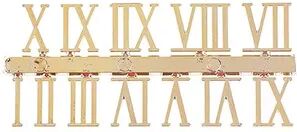
Uplift Treasures Roman Numeral Clock Repair Parts Set gold Roman NumeralsProduct Description Restore or customize your clock with this Roman numeral clock repair parts set. Designed for DIY projects and clock repairs, it includes classic numeral accessories compatible with quartz clock mechanisms. Ideal for refurbishing...23,97 $*Shipping: 0,00 $Secure redirect to the provider
-
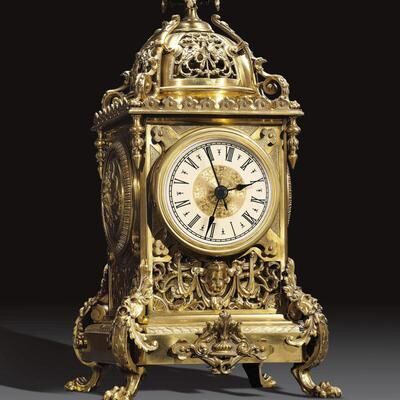
ModernMart Gold Trim Roman Numeral Clock Insert Mini Clock Insert Replacement Quartz Movement For DIY Clocks Gold Trim Roman Numeral Clock Insert Mini Clock Insert Replacement Quartz Movement For DIY ClocksCrafted to restore elegance and precision, this clock insert replacement brings timeless charm back to your favorite clocks. Designed for DIY enthusiasts and repair lovers, it combines a classic Roman numeral face with reliable quartz accuracy. The...39,97 $*Shipping: 0,00 $Secure redirect to the provider
-
Inspire Select Plastic Roller Blind Pull Cord Chain Connectors Vertical Blind Joiners Replacement Clips For Roman Roller Curtains Plastic Roller Blind Pull Cord Chain Connectors Vertical Blind Joiners Replacement Clips For Roman Roller CurtainsKeep your window blinds working smoothly with durable replacement connectors designed for quick and hasslefree repairs. These reliable connectors securely join broken or disconnected blind chains, extending the life of your window coverings without...66,95 $*Shipping: 0,00 $Secure redirect to the provider
-
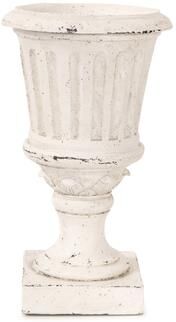
Allan Andrews Roman Classic UrnAdd classical charm to your decor with this distressed white architectural column urn. Perfect for bookshelves, consoles, or tabletop styling. The ancient ruin-inspired design brings a touch of old-world magic to any space.114,00 $*Shipping: 0,00 $Secure redirect to the provider

-
Holy Roman Emperor
The title of Holy Roman Emperor was a title given to the ruler of the Holy Roman Empire, a political entity in Central Europe that existed from 962 to 1806. The Holy Roman Emperor was considered the secular ruler of the Christian world, with authority over a vast territory that included parts of modern-day Germany, Italy, and France. The position was elected by a group of powerful princes and bishops known as the Electoral College. The title of Holy Roman Emperor was eventually abolished in 1806 following the defeat of the Empire by Napoleon Bonaparte. **
-
'Roman-German Emperors'
The Roman-German Emperors were a series of Holy Roman Emperors who ruled over the Holy Roman Empire from the Middle Ages to the early modern period. They were considered the successors to the ancient Roman Emperors and sought to establish their authority over the territories of the former Western Roman Empire. The title of Roman-German Emperor was meant to signify their dual role as rulers of both the Roman and Germanic peoples. The most famous Roman-German Emperor was Charlemagne, who was crowned Emperor of the Romans by Pope Leo III in 800 AD. The title continued to be used by subsequent Holy Roman Emperors until the dissolution of the Holy Roman Empire in 1806. **
-
"Roman-German Emperors"
The term "Roman-German Emperors" refers to the Holy Roman Emperors, who were rulers of a political entity in Central Europe that existed from 962 to 1806. The title of Holy Roman Emperor was created in the 10th century by Otto I, King of Germany, and it symbolized the revival of the Roman Empire in the West. The Holy Roman Emperors were considered the successors of the ancient Roman Emperors and were elected by a group of German princes. The empire was a complex political entity that encompassed parts of modern-day Germany, Italy, and other European territories. **
-
Roman-German Emperors
The term "Roman-German Emperors" refers to the Holy Roman Emperors, who were rulers of the Holy Roman Empire from the Middle Ages until its dissolution in 1806. The title of Holy Roman Emperor was created in the 10th century and was held by various monarchs who claimed to be the successors of the ancient Roman emperors. The Holy Roman Emperors were elected by a group of German princes and were considered the highest secular authority in the Holy Roman Empire, which was a complex political entity that encompassed parts of modern-day Germany, Italy, and other European countries. **


Roman-German emperors
The term "Roman-German emperors" refers to the Holy Roman Emperors, who were rulers of the Holy Roman Empire from the Middle Ages to the early 19th century. These emperors were considered the successors to the rulers of the ancient Roman Empire and were elected by a group of German princes. The Holy Roman Emperors held significant political and religious power in Central Europe, although their authority was often challenged by regional rulers and the papacy. The title of Holy Roman Emperor was officially abolished in 1806 following the dissolution of the Holy Roman Empire. **
Holy Roman Emperors
The Holy Roman Emperors were rulers of the Holy Roman Empire, a complex political entity in central Europe that existed from 800 to 1806. They were elected by a group of powerful princes and bishops known as the Electoral College. The title of Holy Roman Emperor was considered to be the highest temporal authority in Europe, although the actual power of the emperors varied greatly throughout the history of the empire. Some of the most famous Holy Roman Emperors include Charlemagne, Otto the Great, and Charles V. **
Top-Angebote
Products related to Roman:
-
Belfry Bathroom Lach Deck Roman Tub Faucet Bath Filler Chrome 8cmOur high-quality design basin mixer tap looks nice and works great, This is a serious of stylish design of kitchen and bath faucets, showerheads, accessories, bath safety products for residential and commercial applications, This modern tap is also a great decor for any bathroom. Bath filler -Contemporary design. Solid brass body. Ceramic disc technology. Suitable for all UK plumbing systems. Flow rates: 0.5 bar – 27.1 / 1.0 bar – 37.4 / 2.0 bar – 52.4 / 3.0 bar – 64.1. Belfry Bathroom69,99 £*Shipping: 0,00 £Secure redirect to the provider
-
Daily Discovery DIY Clock Numerals Wall Clock Replacement Parts Roman Numeral Clock Stickers For Quartz Clock Repair gold Roman NnumeralsRefresh your favorite wall clock with a stylish new look instead of replacing it. This DIY clock numerals set is an easy way to restore, customize, or create a unique timepiece for your home or office. Designed for DIY enthusiasts, crafters, and...34,97 $*Shipping: 0,00 $Secure redirect to the provider
-
Uplift Treasures Roman Numeral Clock Repair Parts Set gold Roman NumeralsProduct Description Restore or customize your clock with this Roman numeral clock repair parts set. Designed for DIY projects and clock repairs, it includes classic numeral accessories compatible with quartz clock mechanisms. Ideal for refurbishing...23,97 $*Shipping: 0,00 $Secure redirect to the provider
-
ModernMart Gold Trim Roman Numeral Clock Insert Mini Clock Insert Replacement Quartz Movement For DIY Clocks Gold Trim Roman Numeral Clock Insert Mini Clock Insert Replacement Quartz Movement For DIY ClocksCrafted to restore elegance and precision, this clock insert replacement brings timeless charm back to your favorite clocks. Designed for DIY enthusiasts and repair lovers, it combines a classic Roman numeral face with reliable quartz accuracy. The...39,97 $*Shipping: 0,00 $Secure redirect to the provider
-
Roman Buildings in Bavaria
Roman buildings in Bavaria are a testament to the region's rich history and the influence of the Roman Empire. The Romans established settlements and built structures such as forts, walls, and roads in Bavaria during their occupation of the area. Some well-preserved examples of Roman buildings in Bavaria include the remains of the Roman fort at Eining and the Limes, a UNESCO World Heritage site that includes Roman frontier fortifications. These buildings provide valuable insights into the Roman presence in Bavaria and their impact on the region's architecture and infrastructure. **
-
What did the Roman living culture look like in a Roman house?
The Roman living culture in a Roman house was centered around the concept of the domus, which was the main living space for the family. The domus typically included a central courtyard, known as the atrium, which was the focal point of the house and where the family would gather. The living spaces were often decorated with colorful frescoes, mosaics, and statues, reflecting the wealth and status of the inhabitants. The Romans also valued privacy and had separate living quarters for men and women, with the women's quarters typically located in the back of the house. Additionally, Roman houses often had a strong connection to the outdoors, with gardens, fountains, and outdoor dining areas, reflecting the importance of nature and leisure in Roman culture. **
-
Holy Roman Emperor
The title of Holy Roman Emperor was a title given to the ruler of the Holy Roman Empire, a political entity in Central Europe that existed from 962 to 1806. The Holy Roman Emperor was considered the secular ruler of the Christian world, with authority over a vast territory that included parts of modern-day Germany, Italy, and France. The position was elected by a group of powerful princes and bishops known as the Electoral College. The title of Holy Roman Emperor was eventually abolished in 1806 following the defeat of the Empire by Napoleon Bonaparte. **
-
'Roman-German Emperors'
The Roman-German Emperors were a series of Holy Roman Emperors who ruled over the Holy Roman Empire from the Middle Ages to the early modern period. They were considered the successors to the ancient Roman Emperors and sought to establish their authority over the territories of the former Western Roman Empire. The title of Roman-German Emperor was meant to signify their dual role as rulers of both the Roman and Germanic peoples. The most famous Roman-German Emperor was Charlemagne, who was crowned Emperor of the Romans by Pope Leo III in 800 AD. The title continued to be used by subsequent Holy Roman Emperors until the dissolution of the Holy Roman Empire in 1806. **
Similar search terms for Roman
-
Inspire Select Plastic Roller Blind Pull Cord Chain Connectors Vertical Blind Joiners Replacement Clips For Roman Roller Curtains Plastic Roller Blind Pull Cord Chain Connectors Vertical Blind Joiners Replacement Clips For Roman Roller CurtainsKeep your window blinds working smoothly with durable replacement connectors designed for quick and hasslefree repairs. These reliable connectors securely join broken or disconnected blind chains, extending the life of your window coverings without...66,95 $*Shipping: 0,00 $Secure redirect to the provider
-
Allan Andrews Roman Classic UrnAdd classical charm to your decor with this distressed white architectural column urn. Perfect for bookshelves, consoles, or tabletop styling. The ancient ruin-inspired design brings a touch of old-world magic to any space.114,00 $*Shipping: 0,00 $Secure redirect to the provider
-
ModernMart DIY Mini Clock Insert Quartz Movement Round Roman Arabic Dial Replacement Clock Head bBring your creative ideas to life with this compact and reliable DIY clock insert designed for custom timepieces. Whether you're repairing an old clock or crafting something entirely new, this quartz clock movement offers precise timekeeping in a...29,97 $*Shipping: 0,00 $Secure redirect to the provider
-
Uplift Treasures Roman Numeral Clock Repair Parts Set black Roman NumeralsProduct Description Restore or customize your clock with this Roman numeral clock repair parts set. Designed for DIY projects and clock repairs, it includes classic numeral accessories compatible with quartz clock mechanisms. Ideal for refurbishing...23,97 $*Shipping: 0,00 $Secure redirect to the provider
-
"Roman-German Emperors"
The term "Roman-German Emperors" refers to the Holy Roman Emperors, who were rulers of a political entity in Central Europe that existed from 962 to 1806. The title of Holy Roman Emperor was created in the 10th century by Otto I, King of Germany, and it symbolized the revival of the Roman Empire in the West. The Holy Roman Emperors were considered the successors of the ancient Roman Emperors and were elected by a group of German princes. The empire was a complex political entity that encompassed parts of modern-day Germany, Italy, and other European territories. **
-
Roman-German Emperors
The term "Roman-German Emperors" refers to the Holy Roman Emperors, who were rulers of the Holy Roman Empire from the Middle Ages until its dissolution in 1806. The title of Holy Roman Emperor was created in the 10th century and was held by various monarchs who claimed to be the successors of the ancient Roman emperors. The Holy Roman Emperors were elected by a group of German princes and were considered the highest secular authority in the Holy Roman Empire, which was a complex political entity that encompassed parts of modern-day Germany, Italy, and other European countries. **
-
Roman-German emperors
The term "Roman-German emperors" refers to the Holy Roman Emperors, who were rulers of the Holy Roman Empire from the Middle Ages to the early 19th century. These emperors were considered the successors to the rulers of the ancient Roman Empire and were elected by a group of German princes. The Holy Roman Emperors held significant political and religious power in Central Europe, although their authority was often challenged by regional rulers and the papacy. The title of Holy Roman Emperor was officially abolished in 1806 following the dissolution of the Holy Roman Empire. **
-
Holy Roman Emperors
The Holy Roman Emperors were rulers of the Holy Roman Empire, a complex political entity in central Europe that existed from 800 to 1806. They were elected by a group of powerful princes and bishops known as the Electoral College. The title of Holy Roman Emperor was considered to be the highest temporal authority in Europe, although the actual power of the emperors varied greatly throughout the history of the empire. Some of the most famous Holy Roman Emperors include Charlemagne, Otto the Great, and Charles V. **
* All prices are inclusive of VAT and, if applicable, plus shipping costs. The offer information is based on the details provided by the respective shop and is updated through automated processes. Real-time updates do not occur, so deviations can occur in individual cases. ** Note: Parts of this content were created by AI.