Buy placeholder.eu ?
We are moving the project
placeholder.eu .
Are you interested in purchasing the domain
placeholder.eu ?
domain@kv-gmbh.de · 0541-91531010
Buy placeholder.eu ?
Can you explain saponification?
Saponification is a chemical reaction that occurs when a fat or oil is mixed with a strong alkali, such as sodium hydroxide (lye), resulting in the formation of soap and glycerin. During saponification, the alkali breaks down the ester bonds in the fat molecules, releasing fatty acids and glycerol. The fatty acids then react with the alkali to form soap molecules, while glycerin is a byproduct of the reaction. This process is commonly used in the production of soap. **
How does saponification work in chemistry?
Saponification is a chemical reaction that involves the hydrolysis of ester bonds in fats and oils by a strong base, typically sodium hydroxide or potassium hydroxide. This reaction results in the formation of glycerol and soap molecules, which are the salts of fatty acids. The hydroxide ions from the base break the ester bonds in the triglyceride molecules, releasing the fatty acids and glycerol. The fatty acids then react with the metal ions from the base to form soap molecules, which are soluble in water and have detergent properties. **


Similar search terms for Saponification
Top-Angebote
Products related to Saponification:
-
Uplifted Finds Veneer Snap on Teeth Kit Fake Temporary Tooth Whitening Replacement White Snap Repair Fitting Kit 1Regain your confident smile instantly with this Veneer Snapon Teeth Kit. This temporary tooth whitening replacement is designed for quick and easy snaprepair, providing a naturallooking white finish to cover missing or discolored teeth. Perfect for...44,97 $*Shipping: 0,00 $Secure redirect to the provider
-
Xbrand Hedge Wall - Outdoor Artificial Privacy Plant - Great Gardenia and Ivy Substitute - DIY Hedge DividerTransform any space with this artificial boxwood hedge wall, crafted with high-quality, lifelike foliage to enhance privacy and décor.195,99 $*Shipping: 0,00 $Secure redirect to the provider
-
Toppik Black Fill Me In Hairline FillerA 3-in-1 hair filler to correct and perfect your hairline with precision. Toppik Fill Me In Hairline Filler is a long-lasting, durable formula designed to fill, build, and blend sparse areas with one mess-free, easy-to-use tool. Made with keratin...27,49 $*Shipping: 0,00 $Secure redirect to the provider
-
NOBEA Nail Care Ridge Filler Nail Polish ridge filler 6 mlNOBEA Nail Care Ridge Filler Nail Polish, 6 ml, Nails for Women, A gorgeous manicure as though you’d just left the nail salon? The NOBEA Nail Care Ridge Filler Nail Polish nail polish lets you achieve it in the comfort of your own home. It coats the surface of the nail with a continuous layer of long-lasting, intense colour with a glossy finish, helping to give your nails a manicured, perfectly groomed look. You can use it to accentuate your nails or perhaps to enhance your outfit and style. So which colour will you choose to make your nails pop? Characteristics: easy to apply strengthens and firms the nails strengthens the resistance of polish to abrasion and peeling prevents nails from drying out How to use: Apply the polish using a brush for polish-free, degreased nails. For best results, apply two layers.2,20 £*Shipping: 3,99 £Secure redirect to the provider


-
What are chemical reactions in saponification?
Chemical reactions in saponification involve the reaction of a fat or oil with a strong base, typically sodium hydroxide or potassium hydroxide. This reaction results in the formation of soap and glycerol. The fatty acids in the fat or oil react with the base to form the soap molecules, while glycerol is a byproduct of the reaction. Saponification is a key process in soap-making and is essential for the production of soap. **
-
Is this saponification reaction equation correct?
Yes, the saponification reaction equation provided is correct. Saponification is the process of making soap by reacting a fat or oil with a strong base, such as sodium hydroxide or potassium hydroxide. The reaction results in the formation of soap (sodium or potassium salts of fatty acids) and glycerol. The equation shown accurately represents this chemical transformation. **
-
What is the equation for saponification?
The general equation for saponification is: ester + base → alcohol + carboxylate salt. In the specific case of the saponification of a triglyceride (fat or oil) with a strong base such as sodium hydroxide, the equation is: triglyceride + sodium hydroxide → glycerol + 3 fatty acid salts. **
-
How can one derive the saponification value?
The saponification value can be derived by determining the amount of potassium hydroxide (KOH) or sodium hydroxide (NaOH) required to saponify a specific amount of fat or oil. This is typically done through a chemical reaction where the fat or oil is mixed with a known concentration of KOH or NaOH. The amount of KOH or NaOH used in the reaction is then measured, and the saponification value is calculated based on the molecular weight of the fat or oil. This value is important in determining the amount of alkali needed for soap making or in assessing the purity of fats and oils. **

What is the reaction equation for saponification?
The reaction equation for saponification involves the hydrolysis of an ester, typically a triglyceride, with a strong base such as sodium hydroxide or potassium hydroxide. The general equation for saponification is: Ester + Base → Alcohol + Salt of Fatty Acid. For example, in the saponification of a triglyceride like olive oil, the reaction equation would be: Triglyceride (olive oil) + 3NaOH → Glycerol + 3 Sodium Salts of Fatty Acids (soap). **
How can one determine the saponification value?
The saponification value can be determined by performing a chemical reaction called saponification on a known weight of the fat or oil sample. This reaction involves the hydrolysis of the ester bonds in the fat or oil with a strong base, such as potassium hydroxide. The amount of base required to saponify the fat or oil is then measured, and the saponification value is calculated based on the weight of the sample and the amount of base used. This value is expressed as the number of milligrams of potassium hydroxide required to saponify one gram of the fat or oil sample. **
Top-Angebote
Products related to Saponification:
-
CreateConfidence Temporary Firming Eye Cream Temporary Firming Eye CreamYour eyes are the most important part of your face. So they must look awesome and appealing. But what if you have puffiness under your eyes They won’t look attractive! Want to get rid of this issue No problem! Simply use this temporary firming eye...21,97 $*Shipping: 0,00 $Secure redirect to the provider
-
United Charger Replacement Stand For Vivoactive HR Smartwatch. Charger Replacement Stand For Vivoactive HR Smartwatch.Never let your Garmin Vivoactive HR run out of power when you need it most. This Garmin charger replacement offers a reliable, durable, and tanglefree solution to keep your smartwatch charged and ready for every workout or adventure. Designed for...39,97 $*Shipping: 0,00 $Secure redirect to the provider
-
Uplifted Finds Veneer Snap on Teeth Kit Fake Temporary Tooth Whitening Replacement White Snap Repair Fitting Kit 1Regain your confident smile instantly with this Veneer Snapon Teeth Kit. This temporary tooth whitening replacement is designed for quick and easy snaprepair, providing a naturallooking white finish to cover missing or discolored teeth. Perfect for...44,97 $*Shipping: 0,00 $Secure redirect to the provider
-
Xbrand Hedge Wall - Outdoor Artificial Privacy Plant - Great Gardenia and Ivy Substitute - DIY Hedge DividerTransform any space with this artificial boxwood hedge wall, crafted with high-quality, lifelike foliage to enhance privacy and décor.195,99 $*Shipping: 0,00 $Secure redirect to the provider
-
Can you explain saponification?
Saponification is a chemical reaction that occurs when a fat or oil is mixed with a strong alkali, such as sodium hydroxide (lye), resulting in the formation of soap and glycerin. During saponification, the alkali breaks down the ester bonds in the fat molecules, releasing fatty acids and glycerol. The fatty acids then react with the alkali to form soap molecules, while glycerin is a byproduct of the reaction. This process is commonly used in the production of soap. **
-
How does saponification work in chemistry?
Saponification is a chemical reaction that involves the hydrolysis of ester bonds in fats and oils by a strong base, typically sodium hydroxide or potassium hydroxide. This reaction results in the formation of glycerol and soap molecules, which are the salts of fatty acids. The hydroxide ions from the base break the ester bonds in the triglyceride molecules, releasing the fatty acids and glycerol. The fatty acids then react with the metal ions from the base to form soap molecules, which are soluble in water and have detergent properties. **
-
What are chemical reactions in saponification?
Chemical reactions in saponification involve the reaction of a fat or oil with a strong base, typically sodium hydroxide or potassium hydroxide. This reaction results in the formation of soap and glycerol. The fatty acids in the fat or oil react with the base to form the soap molecules, while glycerol is a byproduct of the reaction. Saponification is a key process in soap-making and is essential for the production of soap. **
-
Is this saponification reaction equation correct?
Yes, the saponification reaction equation provided is correct. Saponification is the process of making soap by reacting a fat or oil with a strong base, such as sodium hydroxide or potassium hydroxide. The reaction results in the formation of soap (sodium or potassium salts of fatty acids) and glycerol. The equation shown accurately represents this chemical transformation. **
Similar search terms for Saponification
-
Toppik Black Fill Me In Hairline FillerA 3-in-1 hair filler to correct and perfect your hairline with precision. Toppik Fill Me In Hairline Filler is a long-lasting, durable formula designed to fill, build, and blend sparse areas with one mess-free, easy-to-use tool. Made with keratin...27,49 $*Shipping: 0,00 $Secure redirect to the provider
-
NOBEA Nail Care Ridge Filler Nail Polish ridge filler 6 mlNOBEA Nail Care Ridge Filler Nail Polish, 6 ml, Nails for Women, A gorgeous manicure as though you’d just left the nail salon? The NOBEA Nail Care Ridge Filler Nail Polish nail polish lets you achieve it in the comfort of your own home. It coats the surface of the nail with a continuous layer of long-lasting, intense colour with a glossy finish, helping to give your nails a manicured, perfectly groomed look. You can use it to accentuate your nails or perhaps to enhance your outfit and style. So which colour will you choose to make your nails pop? Characteristics: easy to apply strengthens and firms the nails strengthens the resistance of polish to abrasion and peeling prevents nails from drying out How to use: Apply the polish using a brush for polish-free, degreased nails. For best results, apply two layers.2,20 £*Shipping: 3,99 £Secure redirect to the provider
-
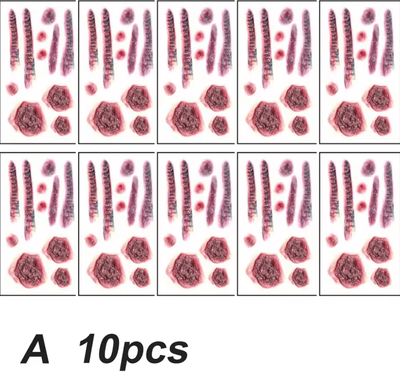
Inspire Curations Halloween Scar Temporary Tattoo Stickers Scar Temporary Tattoos Waterproof Blood FX For Cosplay & Halloween a 10pcsTake your costume to the next level with these realistic scar temporary tattoos designed to create convincing blood clot and wound effects. Available in 5 or 10piece sets, these waterproof tattoo stickers are perfect for Halloween parties, cosplay,...45,50 $*Shipping: 0,00 $Secure redirect to the provider
-
Uplifted Finds Veneer Snap on Teeth Kit Fake Temporary Tooth Whitening Replacement White Snap Repair Fitting Kit 2Regain your confident smile instantly with this Veneer Snapon Teeth Kit. This temporary tooth whitening replacement is designed for quick and easy snaprepair, providing a naturallooking white finish to cover missing or discolored teeth. Perfect for...39,97 $*Shipping: 0,00 $Secure redirect to the provider
-
What is the equation for saponification?
The general equation for saponification is: ester + base → alcohol + carboxylate salt. In the specific case of the saponification of a triglyceride (fat or oil) with a strong base such as sodium hydroxide, the equation is: triglyceride + sodium hydroxide → glycerol + 3 fatty acid salts. **
-
How can one derive the saponification value?
The saponification value can be derived by determining the amount of potassium hydroxide (KOH) or sodium hydroxide (NaOH) required to saponify a specific amount of fat or oil. This is typically done through a chemical reaction where the fat or oil is mixed with a known concentration of KOH or NaOH. The amount of KOH or NaOH used in the reaction is then measured, and the saponification value is calculated based on the molecular weight of the fat or oil. This value is important in determining the amount of alkali needed for soap making or in assessing the purity of fats and oils. **
-
What is the reaction equation for saponification?
The reaction equation for saponification involves the hydrolysis of an ester, typically a triglyceride, with a strong base such as sodium hydroxide or potassium hydroxide. The general equation for saponification is: Ester + Base → Alcohol + Salt of Fatty Acid. For example, in the saponification of a triglyceride like olive oil, the reaction equation would be: Triglyceride (olive oil) + 3NaOH → Glycerol + 3 Sodium Salts of Fatty Acids (soap). **
-
How can one determine the saponification value?
The saponification value can be determined by performing a chemical reaction called saponification on a known weight of the fat or oil sample. This reaction involves the hydrolysis of the ester bonds in the fat or oil with a strong base, such as potassium hydroxide. The amount of base required to saponify the fat or oil is then measured, and the saponification value is calculated based on the weight of the sample and the amount of base used. This value is expressed as the number of milligrams of potassium hydroxide required to saponify one gram of the fat or oil sample. **
* All prices are inclusive of VAT and, if applicable, plus shipping costs. The offer information is based on the details provided by the respective shop and is updated through automated processes. Real-time updates do not occur, so deviations can occur in individual cases. ** Note: Parts of this content were created by AI.