Buy placeholder.eu ?
We are moving the project
placeholder.eu .
Are you interested in purchasing the domain
placeholder.eu ?
domain@kv-gmbh.de · 0541-91531010
Buy placeholder.eu ?
How is the partitive formed?
The partitive is formed in French by using the preposition "de" followed by the definite article "le," "la," or "les." This combination contracts to form "du," "de la," or "des" before a singular or plural noun, respectively. For example, "some bread" is "du pain" and "some apples" is "des pommes." The partitive is used to indicate an unspecified quantity or portion of a mass noun. **
What is the French partitive article?
The French partitive article is used to indicate an unspecified quantity of a noun that cannot be counted. It is formed by combining the preposition "de" with the definite article corresponding to the noun's gender and number. For example, "du" is used with masculine singular nouns, "de la" with feminine singular nouns, and "des" with plural nouns. The partitive article is used in French to express concepts like some, any, or a part of something. **
Similar search terms for Partitive
Top-Angebote
Products related to Partitive:
-
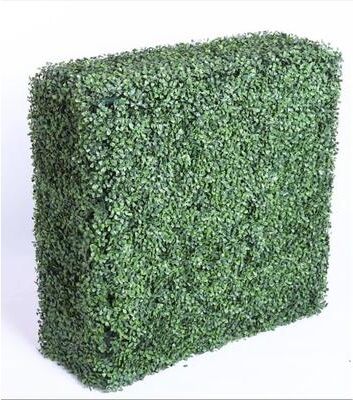
Xbrand Hedge Wall - Outdoor Artificial Privacy Plant - Great Gardenia and Ivy Substitute - DIY Hedge DividerTransform any space with this artificial boxwood hedge wall, crafted with high-quality, lifelike foliage to enhance privacy and décor.238,91 $*Shipping: 0,00 $Secure redirect to the provider
-
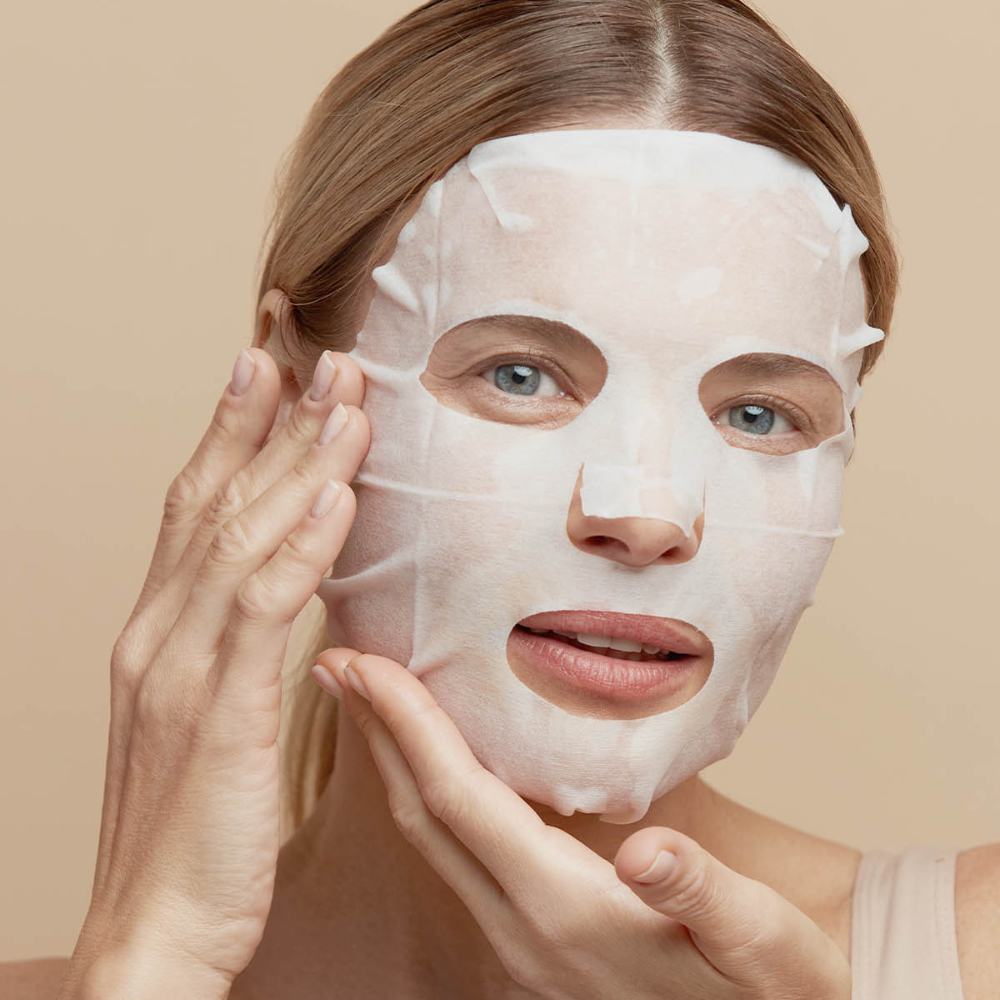
Fillerina Double Filler Booster Face Mask Filler EffectA facial mask for wrinkles and signs of ageing. Double Filler Booster Face Mask delivers instant plumping, firming, and rejuvenation with 12 hyaluronic acids and the powerful Neo-MITO Complex. Immediate filling and skin restructuring. Targets the entire facial contour. Infused with 12 hyaluronic acids + 2 precursors.15,86 £*Shipping: 7,11 £Secure redirect to the provider
-
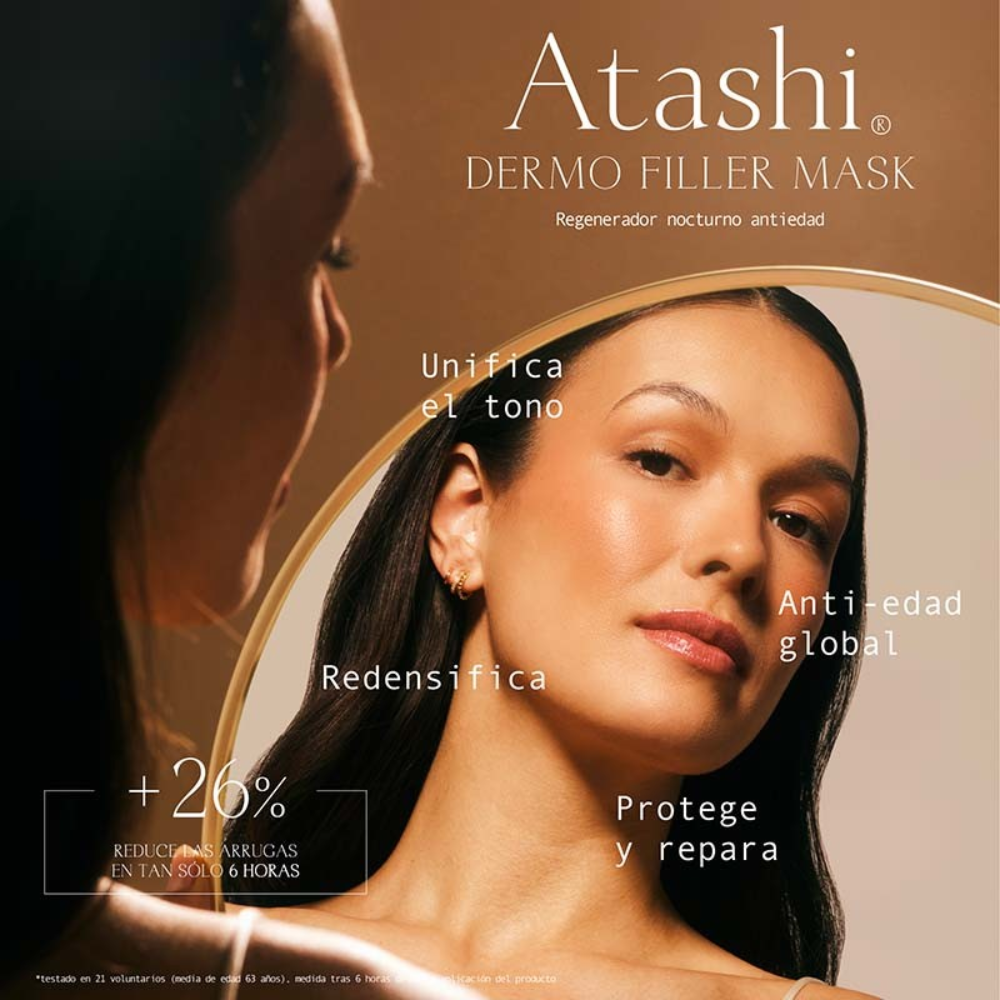
Atashi Supernight Dermo Filler Mask Filler Effect 50mLA night cream for wrinkles and signs of ageing. Transform your skin overnight with a powerful blend of active ingredients that rejuvenate and protect. Fills wrinkles and lines from within overnight. Improves density, hydration, and even skin tone. Hypoallergenic night cream suitable for sensitive skin.33,08 £*Shipping: 5,34 £Secure redirect to the provider
-
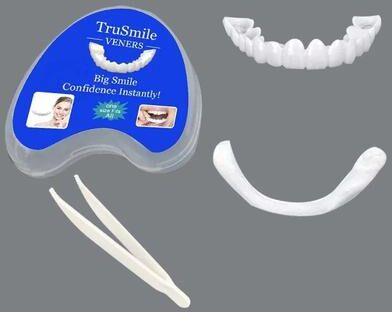
Uplifted Finds Veneer Snap on Teeth Kit Fake Temporary Tooth Whitening Replacement White Snap Repair Fitting Kit 2Regain your confident smile instantly with this Veneer Snapon Teeth Kit. This temporary tooth whitening replacement is designed for quick and easy snaprepair, providing a naturallooking white finish to cover missing or discolored teeth. Perfect for...39,97 $*Shipping: 0,00 $Secure redirect to the provider
-
What are partitive articles in the French language?
Partitive articles in French are used to indicate an unspecified quantity of a noun. They are used when referring to a portion or some of a mass noun, such as food or liquid. The partitive articles in French are "du" (for masculine nouns), "de la" (for feminine nouns), and "de l'" (for nouns starting with a vowel or silent "h"). These articles are essential for expressing the concept of some or any in French. **
-
How do you form the genitive partitive in Latin?
In Latin, the genitive partitive is formed by using the genitive case of the noun followed by the word "partis" or "partis" (depending on the gender of the noun) to indicate a part of the whole. For example, if the noun is "puella" (girl), the genitive partitive would be "puellae partis" to indicate "part of the girl." This construction is used to express the idea of "some of" or "a part of" something. **
-
When do you use the partitive article in French?
The partitive article in French is used to indicate an unspecified quantity of a mass noun. It is used when referring to a part of a whole, or an unspecified amount of something. For example, "du" is used for masculine nouns, "de la" for feminine nouns, and "de l'" for nouns starting with a vowel or silent "h". It is important to use the partitive article when talking about food, drinks, or other uncountable nouns in French. **
-
What are partitive articles and quantity increases in French?
Partitive articles in French are used to indicate an unspecified quantity of a noun. They are used with uncountable nouns or when referring to a portion of something. Quantity increases in French involve using words like "plus de" (more), "beaucoup de" (a lot of), or "trop de" (too much) to indicate an increase in the quantity of something. These expressions are used to specify a larger amount of a noun compared to using just the partitive article. **


What is the rule for the partitive article?
The rule for the partitive article in French is to use "de" followed by the definite article (le, la, les) to indicate an unspecified quantity or some of a mass noun. For example, "du" is used for masculine singular nouns, "de la" for feminine singular nouns, and "des" for plural nouns. The partitive article is used when referring to an unknown or unspecified quantity of something. **
When do you use the partitive article "de" in French?
The partitive article "de" is used in French to indicate an unspecified quantity or some part of a whole. It is used with uncountable nouns and with plural countable nouns when referring to an unspecified quantity. For example, "Je voudrais de l'eau" (I would like some water) or "Elle mange des fruits" (She is eating some fruits). The partitive article is also used after negations such as "ne...pas" to indicate the absence of something, for example, "Je ne bois pas de café" (I don't drink coffee). **
Top-Angebote
Products related to Partitive:
-
CreateConfidence Temporary Firming Eye Cream Temporary Firming Eye CreamYour eyes are the most important part of your face. So they must look awesome and appealing. But what if you have puffiness under your eyes They won’t look attractive! Want to get rid of this issue No problem! Simply use this temporary firming eye...21,97 $*Shipping: 0,00 $Secure redirect to the provider
-
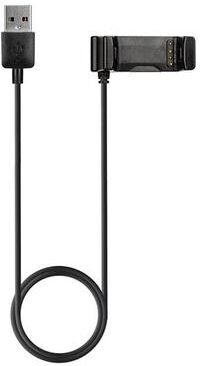
United Charger Replacement Stand For Vivoactive HR Smartwatch. Charger Replacement Stand For Vivoactive HR Smartwatch.Never let your Garmin Vivoactive HR run out of power when you need it most. This Garmin charger replacement offers a reliable, durable, and tanglefree solution to keep your smartwatch charged and ready for every workout or adventure. Designed for...39,97 $*Shipping: 0,00 $Secure redirect to the provider
-
Xbrand Hedge Wall - Outdoor Artificial Privacy Plant - Great Gardenia and Ivy Substitute - DIY Hedge DividerTransform any space with this artificial boxwood hedge wall, crafted with high-quality, lifelike foliage to enhance privacy and décor.238,91 $*Shipping: 0,00 $Secure redirect to the provider
-
Fillerina Double Filler Booster Face Mask Filler EffectA facial mask for wrinkles and signs of ageing. Double Filler Booster Face Mask delivers instant plumping, firming, and rejuvenation with 12 hyaluronic acids and the powerful Neo-MITO Complex. Immediate filling and skin restructuring. Targets the entire facial contour. Infused with 12 hyaluronic acids + 2 precursors.15,86 £*Shipping: 7,11 £Secure redirect to the provider
-
How is the partitive formed?
The partitive is formed in French by using the preposition "de" followed by the definite article "le," "la," or "les." This combination contracts to form "du," "de la," or "des" before a singular or plural noun, respectively. For example, "some bread" is "du pain" and "some apples" is "des pommes." The partitive is used to indicate an unspecified quantity or portion of a mass noun. **
-
What is the French partitive article?
The French partitive article is used to indicate an unspecified quantity of a noun that cannot be counted. It is formed by combining the preposition "de" with the definite article corresponding to the noun's gender and number. For example, "du" is used with masculine singular nouns, "de la" with feminine singular nouns, and "des" with plural nouns. The partitive article is used in French to express concepts like some, any, or a part of something. **
-
What are partitive articles in the French language?
Partitive articles in French are used to indicate an unspecified quantity of a noun. They are used when referring to a portion or some of a mass noun, such as food or liquid. The partitive articles in French are "du" (for masculine nouns), "de la" (for feminine nouns), and "de l'" (for nouns starting with a vowel or silent "h"). These articles are essential for expressing the concept of some or any in French. **
-
How do you form the genitive partitive in Latin?
In Latin, the genitive partitive is formed by using the genitive case of the noun followed by the word "partis" or "partis" (depending on the gender of the noun) to indicate a part of the whole. For example, if the noun is "puella" (girl), the genitive partitive would be "puellae partis" to indicate "part of the girl." This construction is used to express the idea of "some of" or "a part of" something. **
Similar search terms for Partitive
-
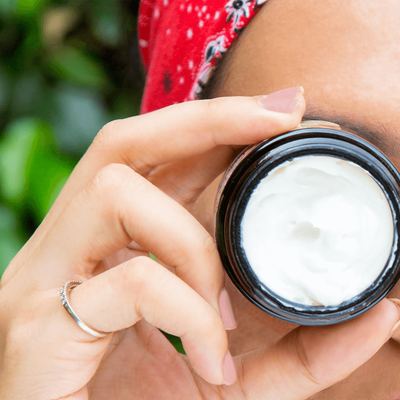
Atashi Supernight Dermo Filler Mask Filler Effect 50mLA night cream for wrinkles and signs of ageing. Transform your skin overnight with a powerful blend of active ingredients that rejuvenate and protect. Fills wrinkles and lines from within overnight. Improves density, hydration, and even skin tone. Hypoallergenic night cream suitable for sensitive skin.33,08 £*Shipping: 5,34 £Secure redirect to the provider
-
Uplifted Finds Veneer Snap on Teeth Kit Fake Temporary Tooth Whitening Replacement White Snap Repair Fitting Kit 2Regain your confident smile instantly with this Veneer Snapon Teeth Kit. This temporary tooth whitening replacement is designed for quick and easy snaprepair, providing a naturallooking white finish to cover missing or discolored teeth. Perfect for...39,97 $*Shipping: 0,00 $Secure redirect to the provider
-
Toppik Black Fill Me In Hairline FillerA 3-in-1 hair filler to correct and perfect your hairline with precision. Toppik Fill Me In Hairline Filler is a long-lasting, durable formula designed to fill, build, and blend sparse areas with one mess-free, easy-to-use tool. Made with keratin...27,49 $*Shipping: 0,00 $Secure redirect to the provider
-
Eucerin Hyaluron-Filler + Elasticity 3D deep wrinkle filler 30 mlEucerin Hyaluron-Filler + Elasticity 3D, 30 ml, Skin Serums for Women, Does it feel as though your skin needs something more than just the care provided by a cream? The Eucerin Hyaluron-Filler + Elasticity 3D facial serum is the perfect product to enrich your skincare routine – it pampers the skin and delivers an intensive treatment. With its high concentration of active ingredients, the effect it has on your skin is far more pronounced and faster than with a face cream. Its liquid consistency makes application easier, as it is absorbed into the skin very well. Characteristics: helps remove signs of skin ageing helps to smooth out wrinkles and fine lines restores skin elasticity restores freshness and youthful beauty to your skin hydrates and nourishes effectively brightens non-comedogenic product How to use: Dab an appropriate amount of the serum gently into clean skin with your fingertips. Apply to the face, neck and chest.36,12 £*Shipping: 3,99 £Secure redirect to the provider
-
When do you use the partitive article in French?
The partitive article in French is used to indicate an unspecified quantity of a mass noun. It is used when referring to a part of a whole, or an unspecified amount of something. For example, "du" is used for masculine nouns, "de la" for feminine nouns, and "de l'" for nouns starting with a vowel or silent "h". It is important to use the partitive article when talking about food, drinks, or other uncountable nouns in French. **
-
What are partitive articles and quantity increases in French?
Partitive articles in French are used to indicate an unspecified quantity of a noun. They are used with uncountable nouns or when referring to a portion of something. Quantity increases in French involve using words like "plus de" (more), "beaucoup de" (a lot of), or "trop de" (too much) to indicate an increase in the quantity of something. These expressions are used to specify a larger amount of a noun compared to using just the partitive article. **
-
What is the rule for the partitive article?
The rule for the partitive article in French is to use "de" followed by the definite article (le, la, les) to indicate an unspecified quantity or some of a mass noun. For example, "du" is used for masculine singular nouns, "de la" for feminine singular nouns, and "des" for plural nouns. The partitive article is used when referring to an unknown or unspecified quantity of something. **
-
When do you use the partitive article "de" in French?
The partitive article "de" is used in French to indicate an unspecified quantity or some part of a whole. It is used with uncountable nouns and with plural countable nouns when referring to an unspecified quantity. For example, "Je voudrais de l'eau" (I would like some water) or "Elle mange des fruits" (She is eating some fruits). The partitive article is also used after negations such as "ne...pas" to indicate the absence of something, for example, "Je ne bois pas de café" (I don't drink coffee). **
* All prices are inclusive of VAT and, if applicable, plus shipping costs. The offer information is based on the details provided by the respective shop and is updated through automated processes. Real-time updates do not occur, so deviations can occur in individual cases. ** Note: Parts of this content were created by AI.